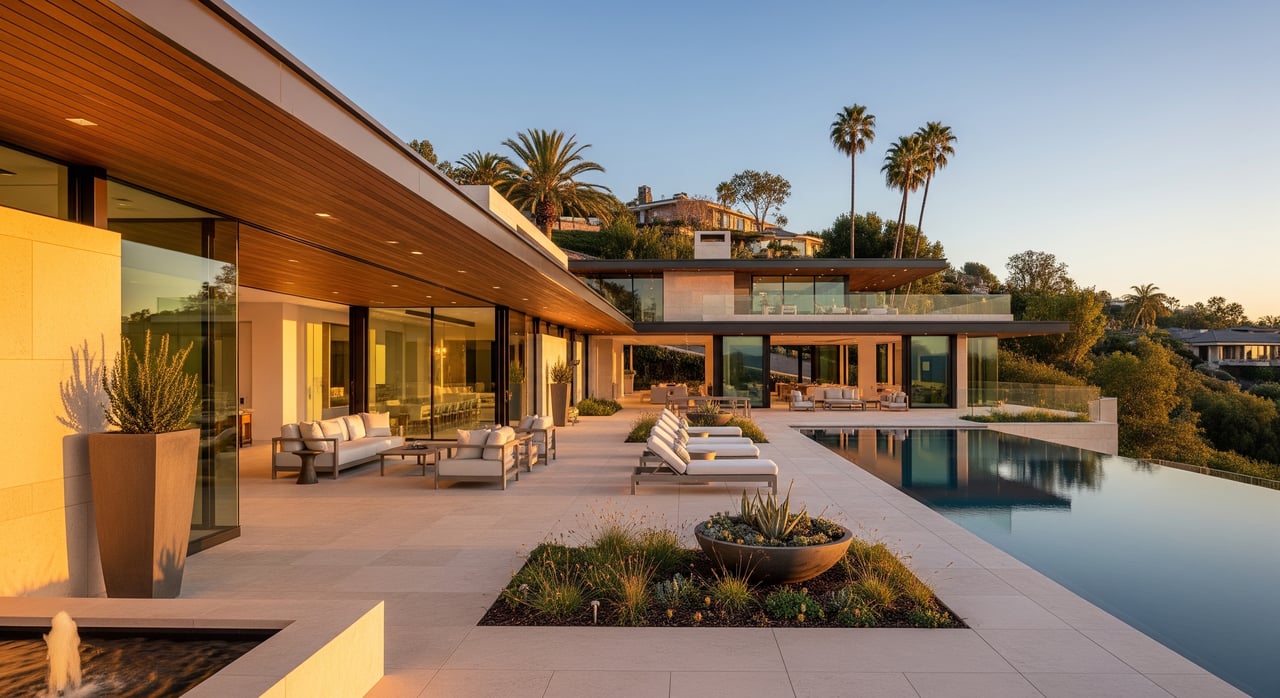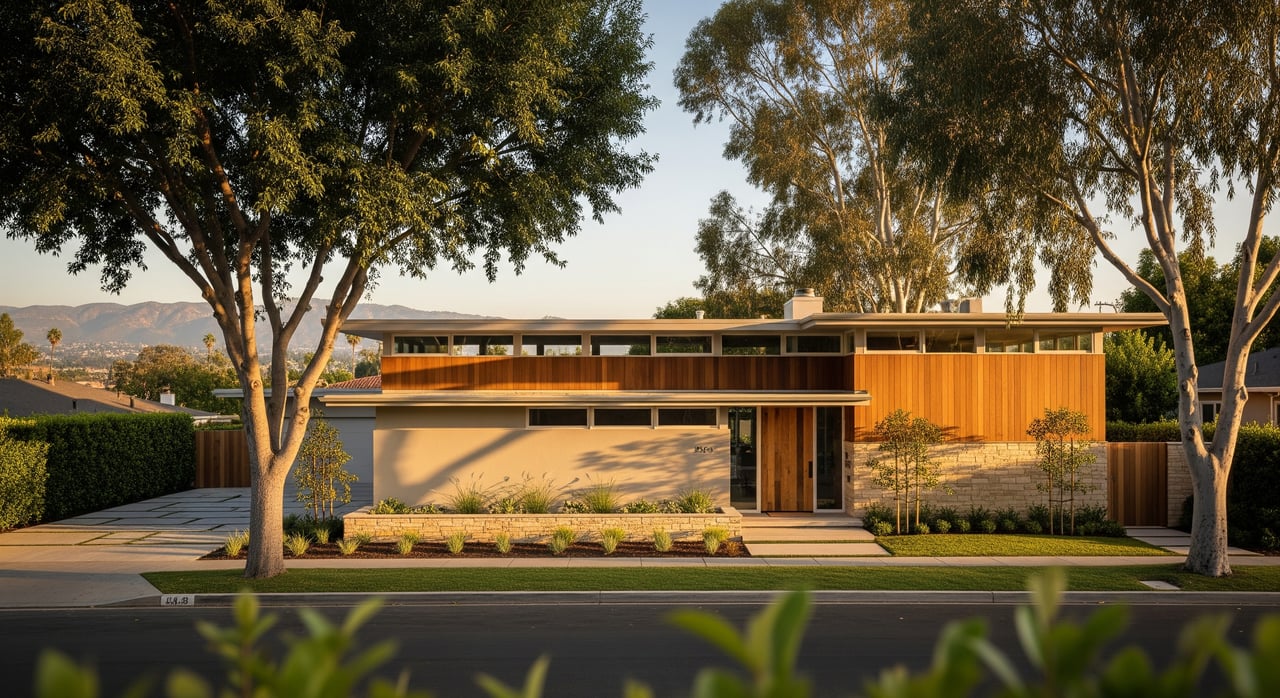
Is Malibu’s luxury market pausing or preparing for its next move? If you are weighing a sale or scouting for a design-forward home, timing and location-specific context matter more here than anywhere else in Los Angeles. In this guide, you’ll learn how Malibu’s micro-markets behave, what actually drives inventory, and how to read the signals that affect pricing and days on market. Let’s dive in.
Malibu at a glance
Luxury markets saw a surge in 2020–2021, then a cooldown as rates rose and buyer pools narrowed. Malibu stayed more resilient than most, with select properties still attracting competition and cash. Overall velocity slowed, and many listings spent longer on the market, especially those with permitting or condition complexities.
Malibu is defined by scarcity and nuance. Ocean views, shoreline access, bluff setback history, and privacy can shift value dramatically. Citywide medians tell you very little here. You need to analyze the exact street, view lines, and entitlement context to understand price.
Inventory bands that matter
Entry to lower luxury
These are condos and smaller-lot homes away from the sand. They trade below core coastal prices and can be a gateway for buyers prioritizing Malibu proximity without beachfront premiums.
Core coastal luxury
This is the main Malibu set: oceanview homes near beach access across Point Dume, Zuma, and western Malibu. Turnkey modern homes command strong attention, while renovation-ready properties appeal to design-focused buyers who plan improvements.
Premium beachfront and blufffront
Think Carbon Beach, Broad Beach, Malibu Colony, and La Costa. These carry the highest per-foot values and the most complex due diligence. Erosion, sea-level exposure, and permitting history can influence insurability and price.
Ultra-luxury estates and compounds
Large-acreage properties in areas like Serra Retreat and the eastern canyons offer privacy and security. Marketing is bespoke, cycles are long, and many transactions occur off-market through private networks.
Neighborhood micro-markets
Malibu Colony and Carbon Beach
Beachfront lots are extraordinarily scarce. Privacy and security drive demand. Buyers and lenders weigh shoreline stability and entitlement history heavily, which can create wide pricing spreads even on the same stretch of sand.
Broad Beach
Ongoing beach nourishment and permitting discussions are part of the landscape. Buyers often price in shoreline risk and the need for technical reports, which affects both valuation and days on market.
Point Dume, Zuma, and Kanan
These pockets mix modern architecture with classic coastal homes. Ocean views and access remain the core value drivers. Turnover is higher than immediate beachfront, and design-forward, move-in-ready inventory tends to move faster.
Malibu Canyon and eastern Malibu
You’ll find larger lots and canyon privacy with lower price per foot than absolute beachfront. Fire risk and insurance availability factor into total cost of ownership and buyer timelines.
How to read price signals
List-to-sale behavior
In Malibu, strategy matters. Some listings price to anchor and negotiate, while others price for speed. Premium beachfront and well-positioned homes can sell at or above list, especially with cash or multiple offers. Properties with permitting questions or major renovation needs often close below list. Keep in mind that pocket and off-market deals are common and can skew publicly reported ratios.
Days on market
Ultra-luxury homes can sit longer because the buyer pool is small. Exceptional, well-priced homes can still move quickly. Public DOM can be distorted by quiet marketing before a property appears online. Look at a rolling 12 to 24 months within the exact submarket to remove noise.
Cash and financing dynamics
Cash is prevalent in Malibu’s top tier. It removes appraisal and underwriting friction, shortens escrows, and can influence competitive outcomes. Jumbo and super-jumbo financing is available but requires strict documentation. Appraisals for unique coastal properties can be challenging, which is why buyers often use private banks, bridge loans, or asset-based financing.
Inventory drivers to watch
Regulatory and entitlement
The California Coastal Act and Malibu’s Local Coastal Program introduce setback, shoreline, and design review considerations. Coastal Development Permits can extend timelines. Zoning and lot-split limits restrict new supply, and entitlement uncertainty can suppress seller activity or slow buyer decisions.
Environmental risk
Bluff erosion, sea-level exposure, and beach restoration debates shape valuation and insurability. Wildfire risk and the evolving insurance market affect canyon areas and total ownership costs. Conservation and view easements can limit redevelopment, constraining future supply.
Economic and financial
Interest rates reduce mortgage-dependent demand and favor cash-ready buyers. Equity markets, wealth transfers, and tax policy influence liquidity and timing for both sides of a transaction.
Market structure and listing practices
Off-market and pocket listings are normal at the high end. They reduce visible inventory and make public metrics less representative. Turnkey, architect-designed homes are scarce and tend to record shorter DOM and stronger price outcomes.
Buyer and seller timing
Lifestyle drives many Malibu sales. Seasonal patterns exist, but ultra-luxury buyers often transact on personal schedules. Media coverage of notable sales can spike short-term attention without changing longer-term fundamentals.
What this means for buyers
- Start due diligence early. For beachfront or bluff-adjacent homes, prioritize coastal geotechnical studies, bluff setback analysis, entitlement review, and current insurance quotes before you write.
- Be funding-ready. If you plan to finance, secure a jumbo or private-bank preapproval and anticipate appraisal complexity. If you plan to pay cash, have proof of funds ready to strengthen terms.
- Build a Malibu-focused team. Local agents, architects, engineers, and land-use advisors who understand coastal permits can save you months and reduce risk.
- Tap private channels. Many of the best options circulate off-market. Cultivate access to pocket listings and quiet previews to see inventory first.
What this means for sellers
- Price to the micro-market. Use comparables that match your property’s street, view corridor, bluff status, and entitlement profile. Citywide medians can misprice your asset.
- Prepare the file. Pre-list geotechnical, structural, and insurance documentation reduce buyer friction and can protect your list-to-sale outcome.
- Choose the right rollout. If discretion is a priority, consider phased exposure with targeted off-market outreach and invitation-only showings. Turnkey presentation and cinematic marketing can compress DOM.
- Plan for variable timelines. Premium, well-prepared homes can move fast. Properties with complex permits or renovation needs may require patience and sequencing.
Data and reporting best practices
- Segment by submarket. Track medians for Malibu Colony, Carbon Beach, Broad Beach, Point Dume, Zuma, and canyon areas separately.
- Watch months of inventory by price band. Pair active listings with rolling 12- or 24-month sales to spot tightening or loosening conditions.
- Monitor list-to-final-sale ratios. Note price reductions and separate out off-market trades when possible.
- Track cash share. Use lender-involvement notes as a proxy when direct data is limited.
- Acknowledge sample size. At the very top end, a few large sales can skew short windows, so extend your timeframe.
Timing the Malibu market
If you are buying, watch for a cluster of new listings in your exact niche, a rise in price reductions, or an uptick in turnkey options. If you are selling, note when comparable homes go pending quickly and when cash buyer activity is visible. Permitting and insurance developments can change the calculus fast, so pair data with on-the-ground intelligence.
Ready to calibrate your strategy to Malibu’s micro-markets? Schedule a discreet consultation with the team at RANGE REAL ESTATE to align pricing, preparation, and rollout with your goals.
FAQs
How do Malibu micro-markets affect price?
- Two homes a block apart can trade very differently based on view lines, bluff setback status, and entitlement history, so use hyper-local comparables, not citywide medians.
What does a list-to-sale ratio mean in Malibu?
- It shows how close the final sale price is to list, but strategies vary and off-market deals are common, so interpret it alongside pricing approach, property condition, and buyer pool depth.
Why are days on market higher at the top end?
- The buyer pool is smaller and properties are unique; quiet marketing before public launch can also distort DOM, so use rolling 12 to 24 months for a clearer read.
Do I need cash to compete in Malibu?
- Cash shortens escrow and removes financing risk, which is attractive to sellers, but strong terms, preparation, and private-bank approvals can keep financed buyers competitive.
What are the biggest risks that move Malibu pricing?
- Physical risk like bluff erosion and wildfire, plus permitting uncertainty, can materially affect value, marketability, insurance, and timing.