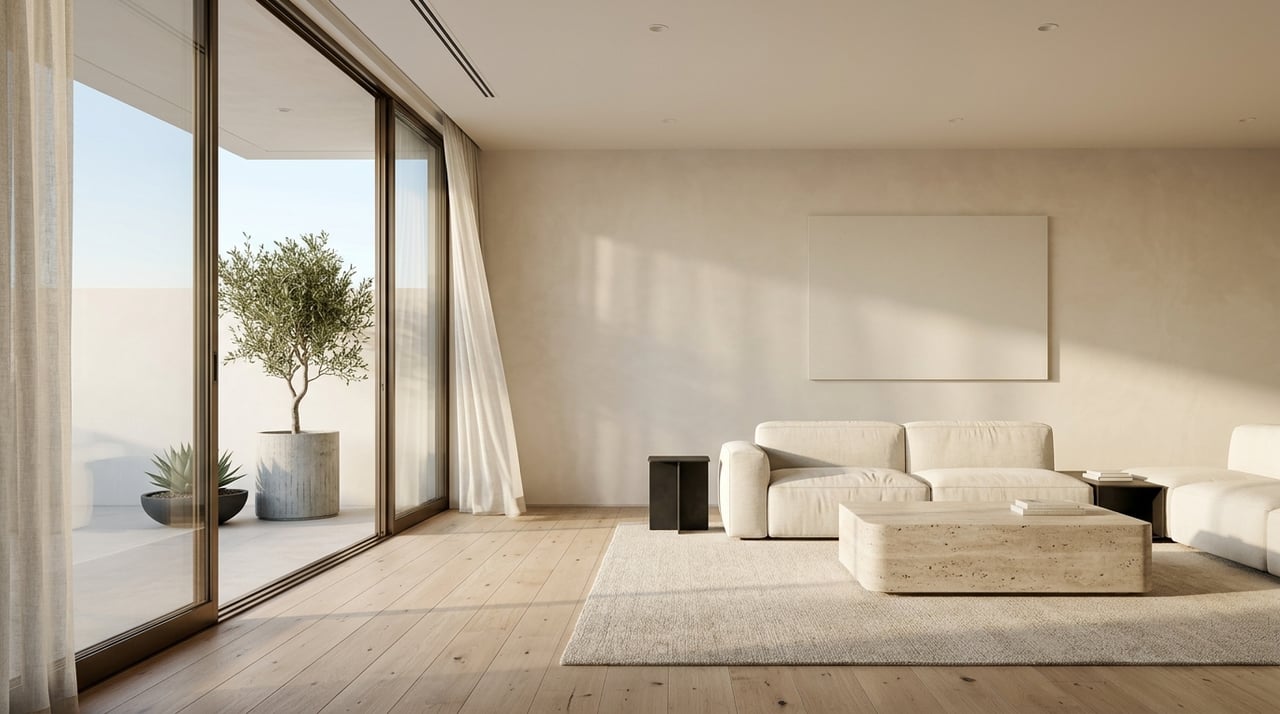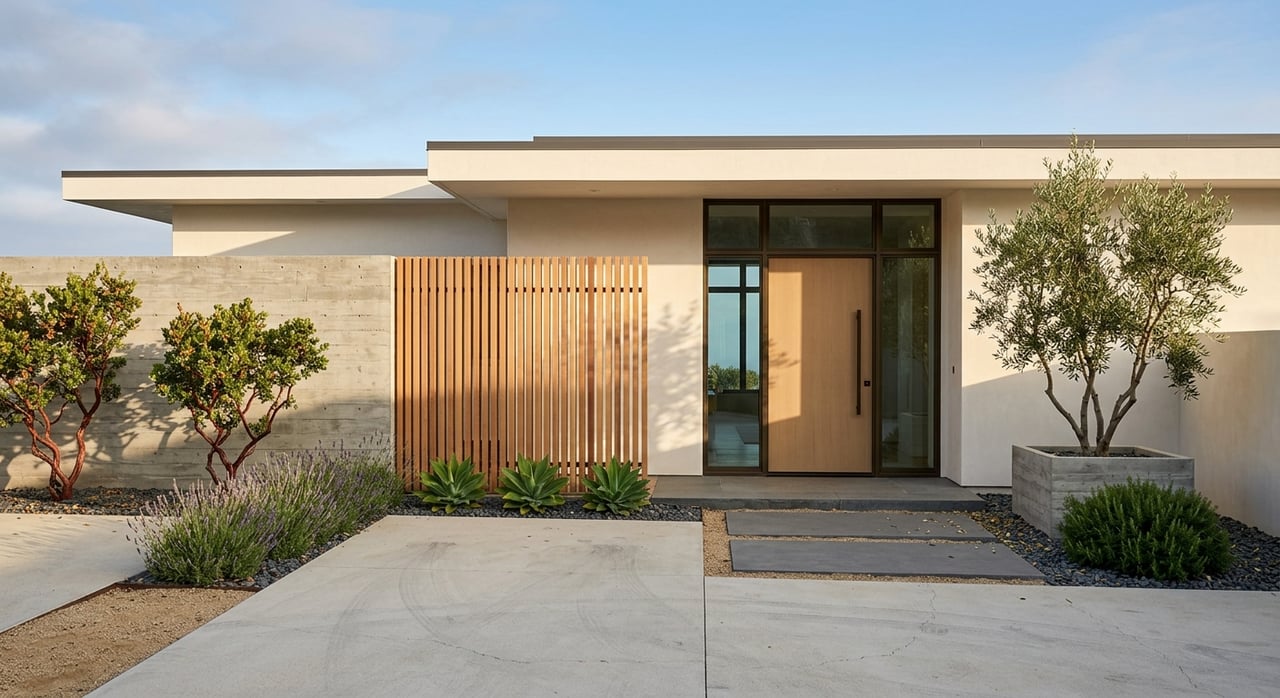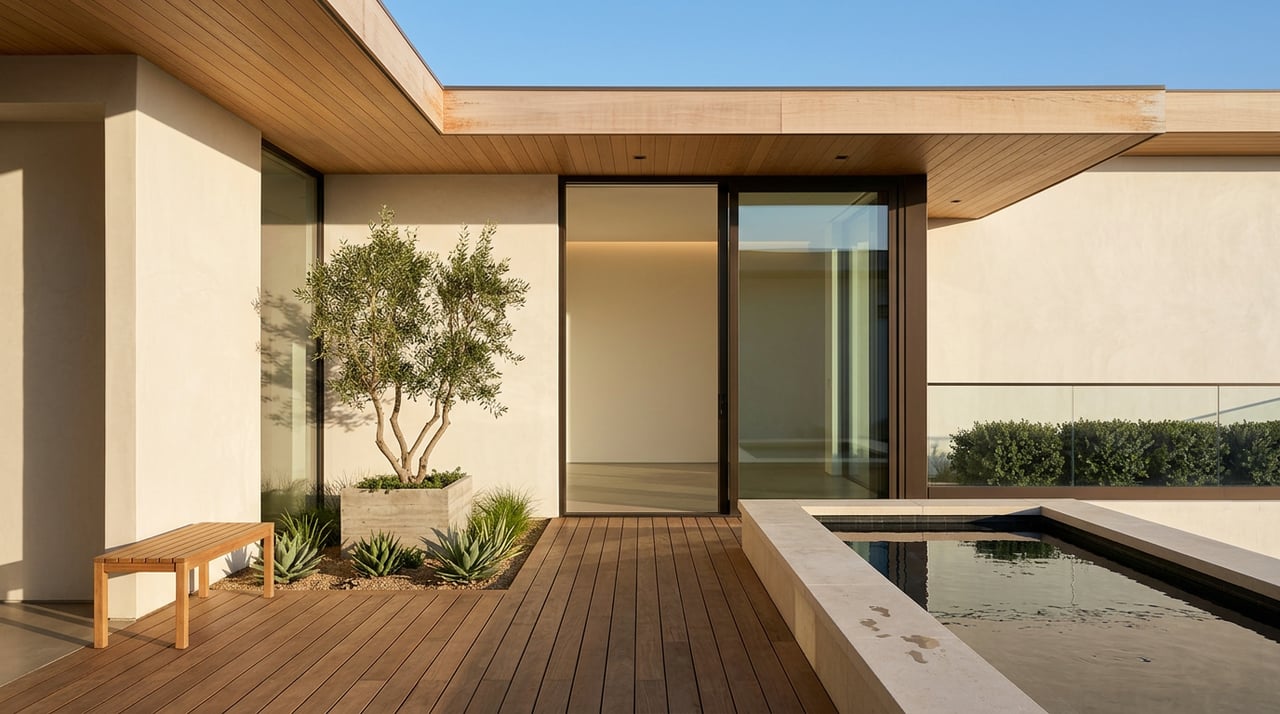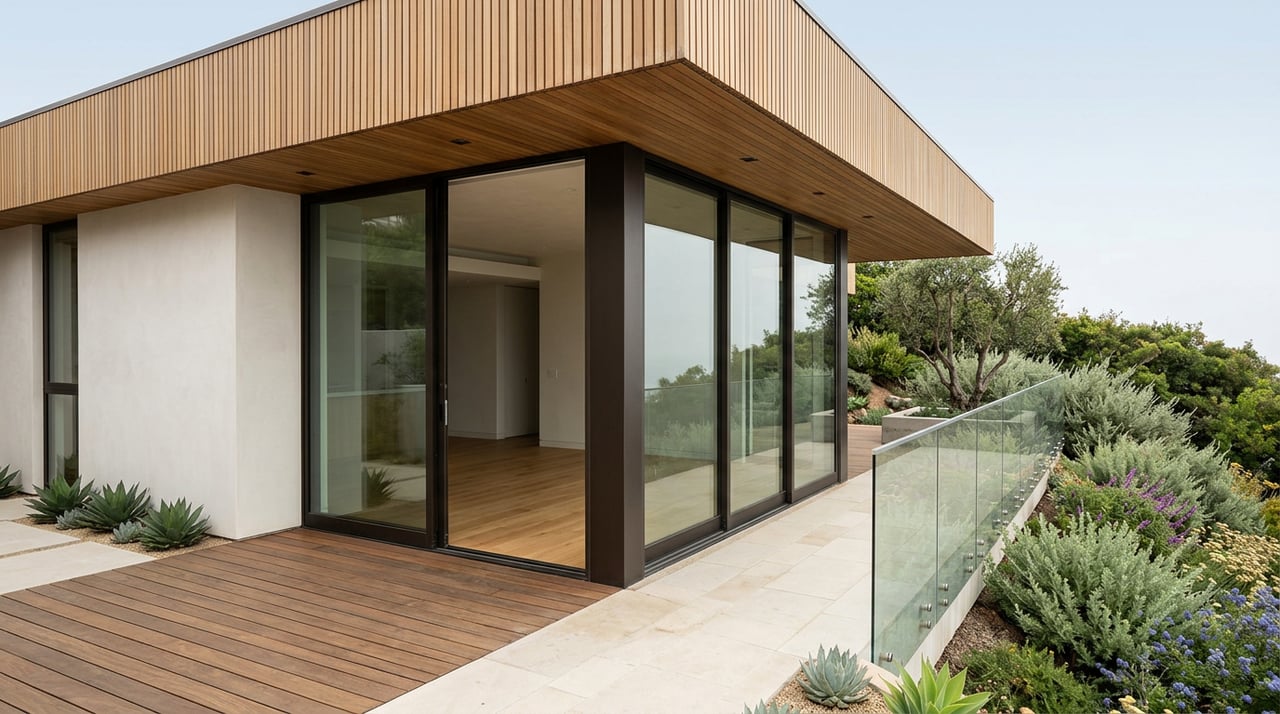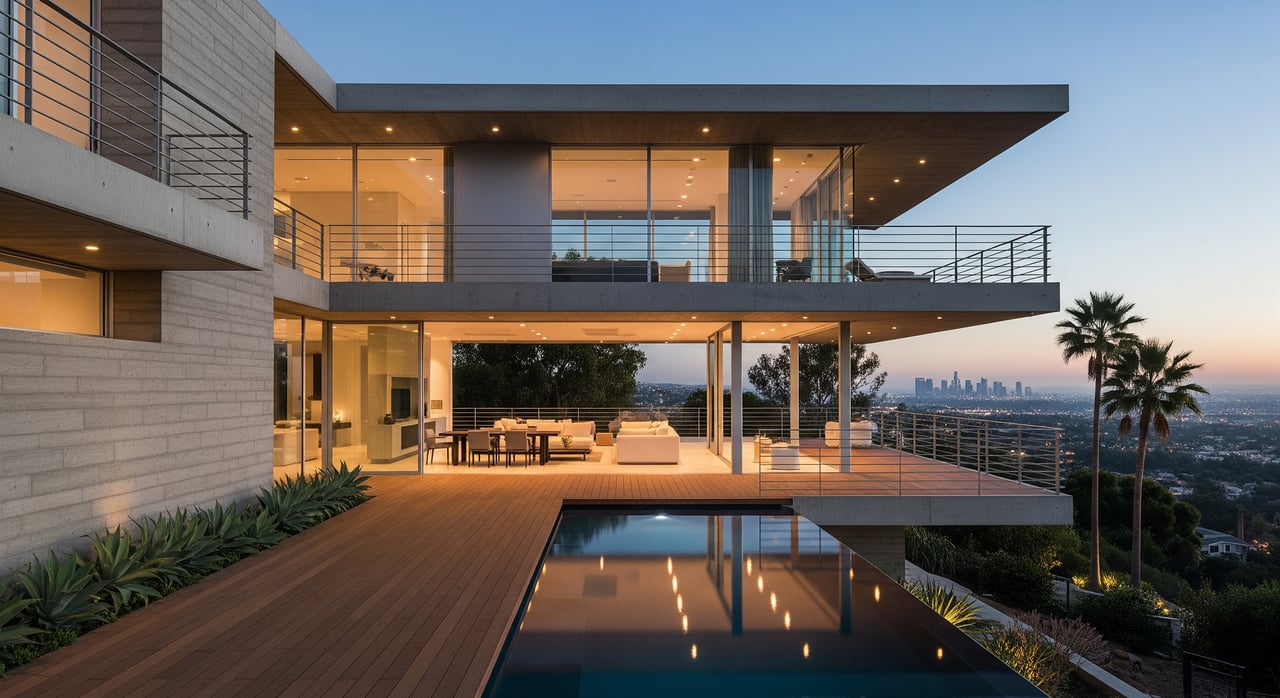
You come to the Hollywood Hills for light, views, and a feeling you are floating above Los Angeles. Then you start touring homes and wonder what you are looking at and how to judge it. If you want a clear way to spot the main styles and understand how each one handles views, sun, and steep terrain, this guide is for you. You will get a quick visual vocabulary, practical checklists, and what to expect from hillside rules and risks. Let’s dive in.
Why the Hollywood Hills look this way
Steep slopes, narrow lots, and winding streets shape every decision here. Architects place rooms along view corridors to the downtown skyline, the Griffith Observatory and Hollywood Sign, or the distant ocean line on clear days. Southern and western sun can be spectacular and harsh, so you will see deep eaves, clerestories, and screens to control glare and heat.
Terrain drives structure and access. Many homes use caissons, piers, or cantilevers to perch on the hillside with reduced earthwork. Driveways and switchbacks deal with grade, while terraces and decks extend living outdoors where the slope allows.
Four signature styles at a glance
Midcentury Modern
- Quick telltales: low horizontal rooflines, open plans, floor-to-ceiling glass, clerestory windows, and post-and-beam structure with minimal ornament.
- Materials: steel or timber frames, glass curtain walls, natural wood, concrete, and stone hearths.
- Views, light, terrain: large glass walls and cantilevered terraces capture panoramas, while deep eaves and clerestories even out daylight. Post-and-beam or pier foundations bridge steep ground with a light footprint.
- Buyer notes: original single-pane glass and steel frames may perform poorly for noise and energy. Seek sensitive upgrades that keep slim sightlines. For context, the Stahl House is the classic glass-on-the-hill reference in Hollywood Hills lore.
Hillside Modern
- Quick telltales: sculptural massing, split-level or terraced plans, decks that feel integral to the structure, and natural materials that blend into the slope.
- Materials: exposed concrete, stone, steel, raw or charred wood, and large custom glazing.
- Views, light, terrain: living spaces often sit at the prime view level, with circulation tucked into steeper bands. Piles, piers, caissons, and cantilevers keep the footprint light and reduce cut and fill.
- Buyer notes: expect complex engineering and permitting for grading and retaining walls. Many examples are one-off architect designs rather than spec builds.
Contemporary
- Quick telltales: crisp rectilinear volumes, mixed materials, expansive glazing, and visible integration of tech and energy features.
- Materials: metal cladding, glass, architectural concrete, stucco, composite woods, and specialty glazing.
- Views, light, terrain: structural glazing and multi-level decks dramatize views, while privacy screens and louvers tune exposure. You may see PV arrays, high-performance glazing, and drought-tolerant landscapes.
- Buyer notes: new work meets modern energy and seismic codes, which is robust, but design may differ from older neighborhood fabric. Plan for careful placement of mechanical equipment on steep lots.
Spanish Revival
- Quick telltales: textured stucco, low clay tile roofs, arched openings, wrought iron, and decorative tile.
- Materials: stucco, clay tile, carved wood, ironwork, and colorful tile accents.
- Views, light, terrain: the focus is inward to courtyards, loggias, and shaded terraces that frame select views rather than expose entire walls of glass. Thick walls and deep reveals help control sun and temperature.
- Buyer notes: historic character is common and can invite preservation interest. Watch roof tile and stucco maintenance, chimney bracing, and hillside drainage.
Reading the site: views, light, slope
Start with orientation. Note where the main glazing faces and what it frames, such as downtown, the Observatory, or canyon slopes. Identify secondary view corridors from bedrooms and kitchens that support daily living.
Map sun and wind. Southern and western exposures bring long light and dramatic sunsets, but also heat and glare. Look for overhangs, clerestories, screens, or light wells that moderate it.
Study the slope and how the house meets it. Is the home perched on piers, stepped into terraces, or grounded with retaining walls. Check where outdoor rooms sit in relation to the best view band.
Technical and regulatory realities
Geotechnical and foundations
Steep lots often need a geotechnical report for major remodels or new builds. Expect recommendations for caissons, piers, retaining walls, and robust drainage and waterproofing. Grading and earthwork require permits, and coordination with neighbors for retaining solutions is common.
Seismic expectations
All new work must meet California Building Code seismic standards. Older midcentury or historic homes may need tie-downs, bolting, and chimney bracing during remodels. Budget for a structural evaluation on steep or cantilevered properties.
Hillside planning rules
City planning controls setbacks, floor area relative to slope, and visible ridgeline impacts. Some projects require discretionary review and community input, especially in historic areas. Plan for added time during plan check.
Wildfire and insurance
Many Hollywood Hills areas sit within or near Very High Fire Hazard Severity Zones. Defensible space, ember-resistant details, and noncombustible materials influence design and maintenance. Insurance availability and cost can be affected, and access for fire response is important.
Access, parking, and utilities
Narrow streets and long driveways shape where garages go and what guest parking is possible. Routing sewer, water, storm drainage, and electrical across steep lots may require creative solutions and easements.
Historic and preservation
Spanish Revival homes and architect-led modern houses can carry preservation interest. Local listing or eligibility can influence what changes are allowed. Respect original materials and proportions when planning upgrades.
Photo checklist for your visual guide
- Exterior establishing shot that shows the relationship to the slope and street.
- Approach and driveway with gradient, stairs, and garage placement.
- Facade and detail shots of rooflines, stucco or cladding, doors, and entries.
- Living spaces that face the view, with both daylight and dusk shots to show glare and glow.
- Transition spaces such as loggias, terraces, courtyards, and sunken gardens.
- Foundation and underside views that show piers, cantilevers, and supports.
- Landscape or aerial that reveals the lot footprint, slope, and orientation.
- Close-ups of craft, including eaves, exposed beams, tilework, and iron.
- Night shot that captures outdoor lighting and the city’s ambient light.
Caption tip: include orientation and composition. For example, “Living room, west-facing glazing frames downtown view at sunset. Deep eave controls glare over oak floors.”
Search vocabulary for smarter tours
- Midcentury Modern: open plan, floor-to-ceiling glass, post-and-beam, original wood and stone details.
- Hillside Modern: site-specific plan, terraced levels, cantilevered decks, pier or caisson foundation.
- Contemporary: mixed materials, high-performance glazing, minimalist volumes, sustainable systems.
- Spanish Revival: stucco, red tile roof, arched openings, interior courtyard and loggia.
- Cantilever: structure that projects beyond its supports, typical on view decks.
- Clerestory: a high horizontal band of windows near the roofline.
- Post-and-beam: columns and beams that enable open interiors and slim profiles.
- Retaining wall, caisson, pier, pile: elements that hold earth and carry loads on slopes.
- View corridor and orientation: direction and framing of the main view from key rooms.
Inspection and red-flag checklist
- Structural: look for uneven floors, sagging, and the condition of cantilevers and exposed beams.
- Water and drainage: check for damp lower walls, signs of slope movement, clogged drains, or failing retaining walls.
- Roof and envelope: inspect glazing condition, roof tiles and flashing at terraces and skylights.
- Permits: verify decks, retaining walls, additions, and major remodels have permits and plans. Unpermitted hillside work can be costly to correct.
- Access and safety: confirm driveway slope, gate widths, and visible addresses for responders.
- Wildfire resilience: defensible space, ember-resistant vents, noncombustible deck surfaces, and drought-tolerant plantings.
Renovation and value-add ideas
- Seismic and structure: prioritize anchoring, bracing, and reinforcement that protect safety and value while staying visually discreet.
- Glazing upgrades: use high-performance glass and slim frames that respect original sightlines. Interior storm panels can be a sensitive option.
- Site first: stabilize soil, repair retaining walls, and improve drainage before interior work.
- Timeline and permitting: hillside plan check can be lengthy. Build in contingency for engineering and reviews.
Style comparisons in one view
- View treatment: Midcentury and many Contemporary homes open entire walls to the view, while Spanish Revival frames views through terraces and courtyards.
- Light control: clerestories and deep eaves versus recessed openings and screens.
- Relationship to slope: perched or cantilevered decks versus terraced stepping and grounded masonry.
- Materials: glass, steel, and wood versus stucco, tile, and iron, with Contemporary often mixing all of the above.
Make the most of your search
When you can name what you see, you make faster, better decisions. Use this visual vocabulary to align your style, view priorities, and tolerance for hillside complexity. If you want a design-smart walkthrough, technical guidance on structure and permitting, or cinematic positioning when you sell, connect with the team at RANGE REAL ESTATE for a discreet consultation.
FAQs
What defines Midcentury Modern in the Hollywood Hills?
- Look for low horizontal rooflines, post-and-beam structure, floor-to-ceiling glass, clerestories, and open plans that push views to the foreground.
How do hillside homes manage steep terrain safely?
- Engineers commonly use caissons, piers, retaining walls, and cantilevers, paired with strong drainage and waterproofing designed from a geotechnical report.
Are wildfire rules different in the Hollywood Hills?
- Many areas lie in Very High Fire Hazard Severity Zones, which influence materials, defensible space, access, and can affect insurance availability and cost.
What permits are typical for a new deck or addition on a slope?
- Expect building and grading permits, structural plans, and sometimes discretionary review related to setbacks, floor area, and visibility on ridgelines.
How can I upgrade single-pane midcentury glass without losing the look?
- Use high-performance replacements with slim profiles or interior storm panels that preserve original sightlines while improving comfort and efficiency.
What should I photograph to evaluate a hillside property?
- Capture slope context, approach and driveway, facade details, view-facing living spaces, terraces, underside structure, landscape plan, craft close-ups, and a night shot.