Thinking about selling your Bel Air hillside estate? In this market, buyers pay for certainty: structure, slope stability, drainage, and properly permitted work. You want a faster, cleaner sale at a premium price without surprises in escrow. This guide shows you how to engineer a high-impact sale by focusing on the right inspections, structural tune-ups, targeted finishes, and smart negotiation steps. Let’s dive in.
Why Bel Air sales demand certainty
Bel Air’s luxury homes often sit on steep slopes and ridgelines. That setting creates unique risks tied to retaining walls, foundations, drainage, and access. Buyers here expect turnkey condition with documentation that proves the site and structure are sound.
Many luxury buyers are professionally represented and perform deep due diligence. When you present a clear picture of site stability, waterproofing, and permitted status, you reduce renegotiation risk and widen your buyer pool. In Bel Air, certainty is a value driver.
Pre-list inspections that matter
A pre-list inspection package is your best tool to surface material issues early and fix the ones that can slow or jeopardize a sale. Prioritize items that affect safety, financing, and escrow.
Start with structure and soils
Begin with licensed engineers. These are the highest-impact reviews and can take the most time.
- Structural engineer: assesses foundations, sill plate anchorage, lateral load paths, retaining walls, signs of movement, and deck or balcony support.
- Geotechnical engineer: evaluates slope stability, soils, drainage, grading history, seepage, and whether soil nails, tiebacks, or micropiles may be needed.
- Retaining walls and slope features: check for bulging, tilt, footing issues, and drainage behind walls.
Then envelope and systems
Once structural risk is mapped, move to water and system health. These areas often create outsized buyer anxiety.
- Roof and exterior envelope: roof condition, flashing, gutters and downspouts, terrace membranes, balcony waterproofing.
- Termite and wood-destroying organisms: common in older LA homes and often addressed before closing.
- Sewer scope and plumbing: lateral line damage or collapse can trigger credits or repairs.
- Electrical and HVAC: panel capacity, outdated wiring, safety issues, and system functionality.
- Pools and spas: mechanicals, surfaces, and safety.
Access, defensible space, and permit history
Hillside logistics and paperwork can influence both saleability and financing.
- Driveway, access, and egress: confirm emergency access standards and safe circulation.
- Brush clearance and defensible space: align with local fire rules to reduce risk and create a clean presentation.
- Title and permit history: identify unpermitted additions or past work that could affect underwriting and appraisal.
Order and timing
Engineering and geotechnical items come first. Cosmetic spend comes later, after risk items are resolved.
- Typical inspection windows: most can be completed within 1 to 3 weeks if prioritized. Geotechnical work with borings and lab results may take 2 to 6 or more weeks.
- Typical fee ranges: home inspection often $400 to $1,000 for larger estates; structural report $800 to $3,000 or more; geotechnical report $2,000 to $15,000 based on complexity; sewer scope $150 to $500; termite $75 to $350; roof inspection $150 to $500. Actual fees vary by site and scope.
The outcome: fewer unknowns, better pricing confidence, smoother escrow, and fewer failed deals.
Structural tune-ups that pay
If inspections reveal issues, focus your budget on risk reduction first. These fixes often deliver the highest “transaction ROI.”
- Retaining wall repair or replacement: minor repairs may run $5,000 to $30,000; engineered replacements or anchored systems can range from $30,000 to $200,000 or more depending on height and access.
- Slope stabilization: regrading, soil nails, micropiles, shotcrete, or tiebacks. Costs vary widely and can reach into the six figures for complex sites.
- Foundation underpinning and settlement repair: helical piles, micropiles, or underpinning footings often range from $10,000 to $100,000 or more based on extent.
- Drainage remediation: French drains, subdrains, surface runoff management, and gutter/downspout rework often deliver high value. Typical packages may range from $5,000 to $50,000.
- Seismic upgrades: sill anchorage, bracing, and soft-story corrections where applicable. Scope and cost vary from the low five figures upward for complex conditions.
- Waterproofing and framing repair: terraces, decks, balconies, and any wood repair that protects foundations and slope performance.
- Driveway and access stabilization: curb, apron, or rockfall mitigation where needed.
Document completed work with licensed contractors and permits where required. This supports appraisal and buyer confidence.
Permits and approvals in Los Angeles
Most structural and slope work in Bel Air requires plans and permits through the Los Angeles Department of Building and Safety, often with City Planning review for hillside and grading. A geotechnical report is common for retaining walls, major slope repair, and foundation remediation.
Factor in protected tree rules and potential tree removal permits, especially in hillside areas. If your retaining wall sits near a property line, clarify responsibility and access with neighbors. For speed, assemble the right team early: geotechnical engineer, structural or civil engineer, licensed contractor with hillside expertise, and a permit expediter or architect.
Appraisers and lenders prefer permitted work with documentation. Unpermitted structures or open violations can reduce appraised value or trigger lender conditions. Clearing permit issues ahead of listing can prevent preventable delays.
Finish work that moves buyers
Once structural and systems risks are addressed, direct spend toward high-impact finishes that elevate presentation without overbuilding.
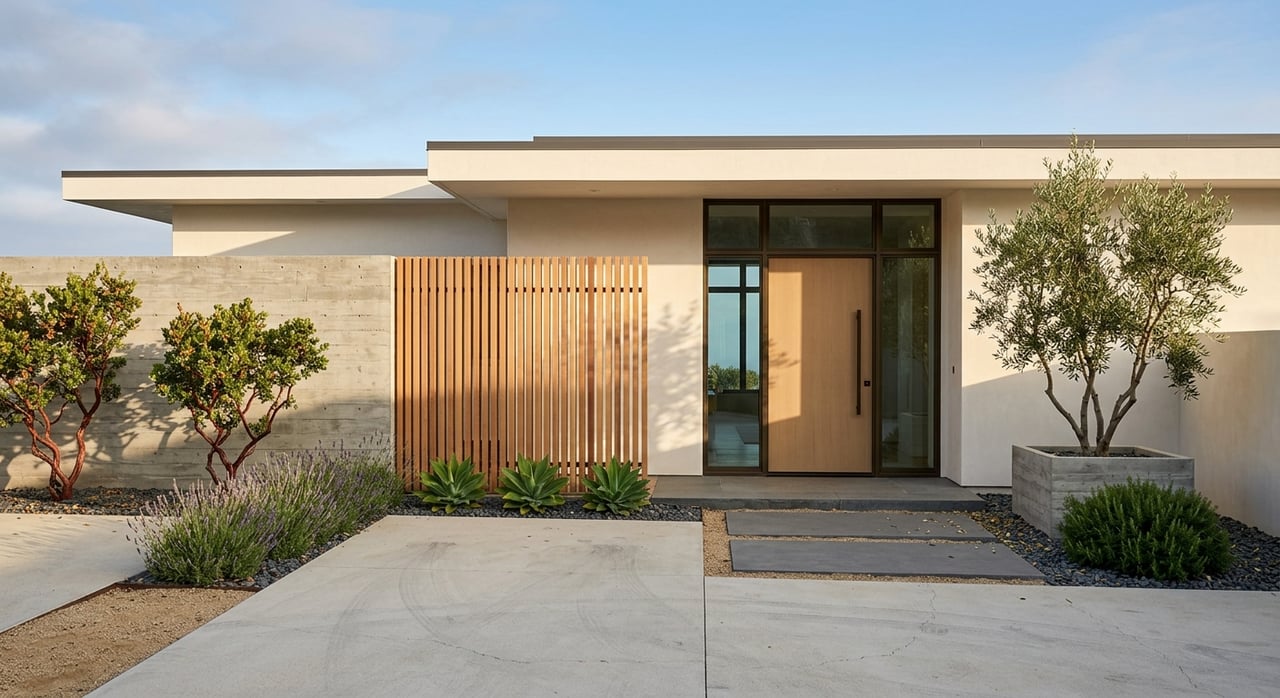
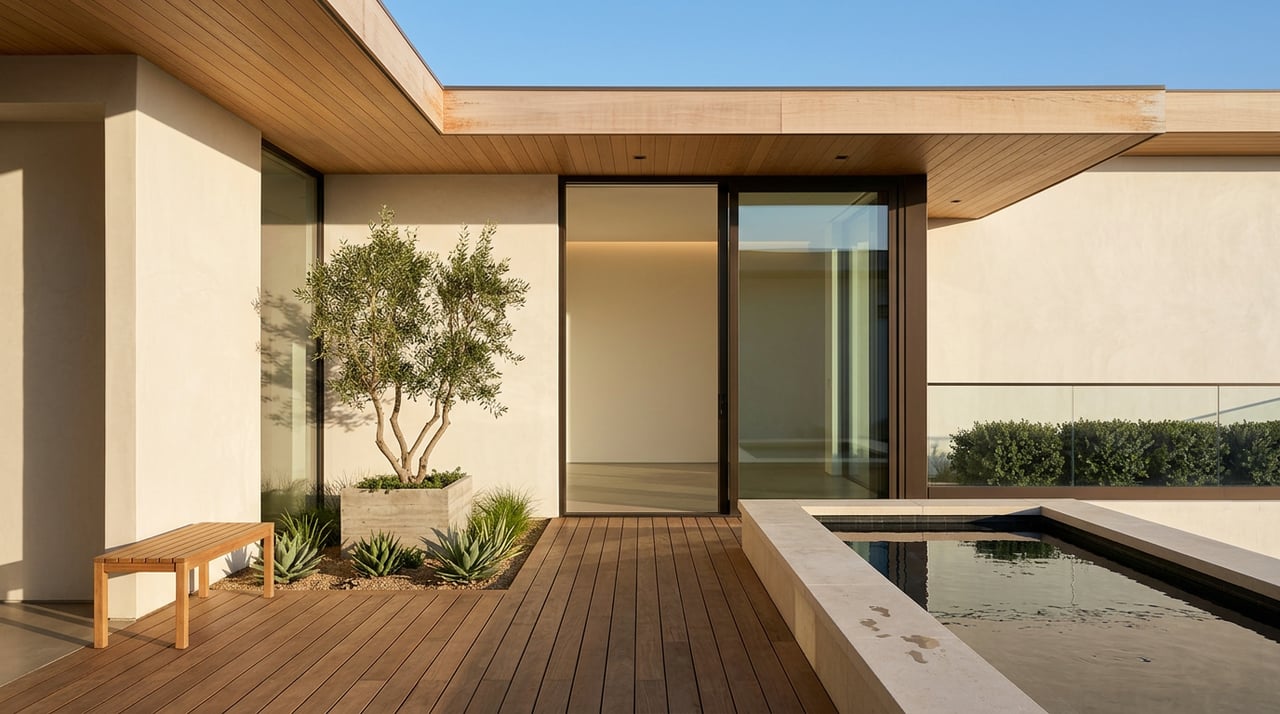
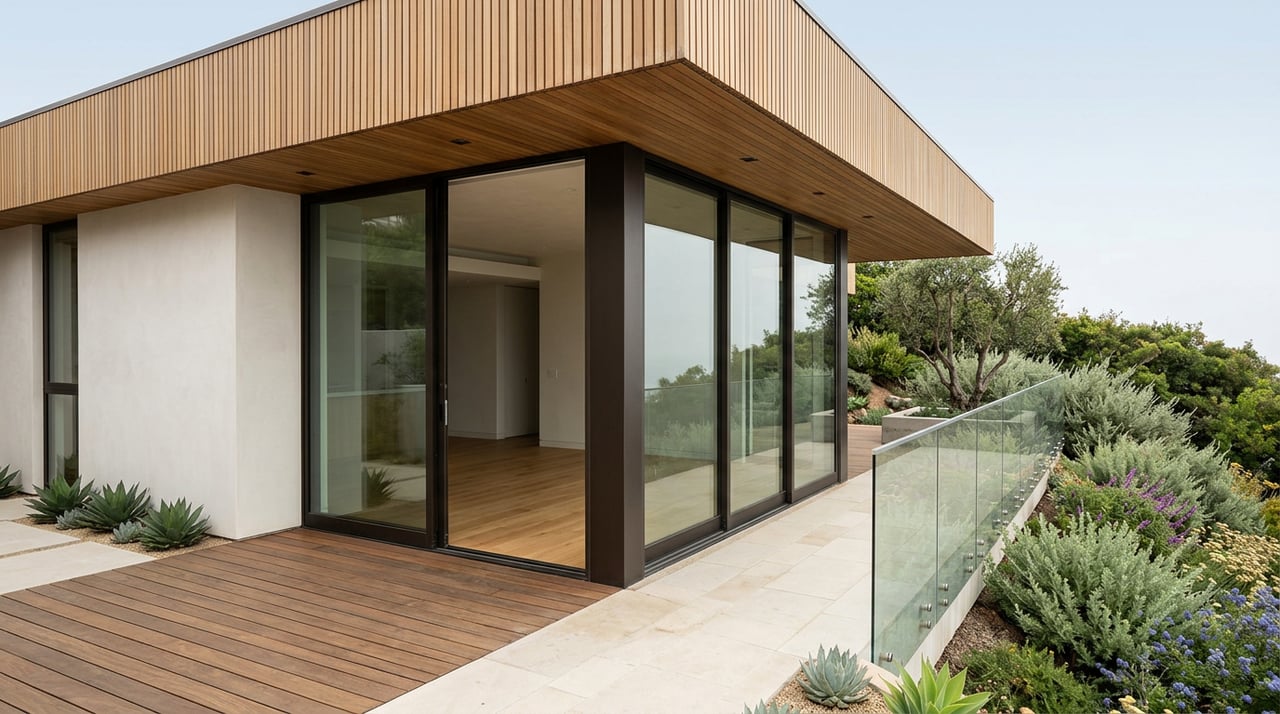
- Curb appeal and site presentation: refreshed landscaping, lighting, brush clearance, repaired stairs and walls, clean hardscape, and working gates and security. Outdoor living areas and pools should show well and function properly.
- Move-in-ready systems: reliable HVAC, a modern electrical panel and wiring, up-to-date plumbing, and functioning pool and spa systems.
- Kitchen and bathrooms: targeted refreshes with tasteful, high-end finishes and appliances can outperform lower-end full replacements on perception and speed.
- Interior presentation: neutral, premium paint; repaired hardwood floors; updated lighting and hardware; professional staging and photography.
- Smart-home and security readiness: wiring or readiness for automation, solid security, and motorized treatments in key rooms can sway premium buyers.
National cost-versus-value benchmarks suggest midrange kitchen and bath projects often recoup a portion of cost at resale. In luxury markets, quality and taste help, but structural and system certainty typically deliver stronger transactional benefits.
Appraisal, lending, and escrow
Your goal is to make underwriting and valuation straightforward. Provide a clean package that answers lender and appraiser questions up front.
- Appraisal support: share engineer reports, permits, closed inspections, and contractor invoices for completed structural and systems work.
- Lender conditions: obvious safety hazards or structural deficiencies may need correction before funding. Resolving them pre-list reduces risk of delays or escrow holds.
- Negotiation tools: consider a recent engineer inspection in the disclosure packet, contractor warranties, and a home warranty to increase buyer confidence.
A 3 to 6-month plan
If you plan to list within one to two quarters, use this simple schedule to stay ahead of the market.
- Week 0 to 1: engage a listing agent experienced in Bel Air hillside sales and scope the inspection plan.
- Week 1 to 3: commission structural and geotechnical investigations first; order sewer, termite, roof, and electrical inspections.
- Week 3 to 6: review reports, get multiple contractor bids, prioritize remediation that removes the largest buyer risks.
- Week 6 to 12 and beyond: execute permitted remediation. Simple fixes may finish quickly; engineered slope or wall work can take months including permit review.
- Final 2 to 4 weeks pre-list: complete targeted finishes, landscaping, staging, and photography.
Build in contingency for permit reviews, specialty contractor lead times, and weather windows for hillside work.
Invest or sell as-is?
Use this quick decision framework to protect your net proceeds and timeline.
- Invest before listing if: inspections reveal remediable safety or structural issues that would shrink your buyer pool or stall financing; the cost is less than likely concessions; and the work fits your timeline.
- Consider as-is if: issues are mostly cosmetic or priced into a realistic list strategy; remediation would be disproportionately expensive or slow; or market conditions strongly favor sellers. In luxury hillside sales, buyers usually accept less risk, so weigh this choice carefully.
Work with a partner built for Bel Air
You do not have to navigate hillside engineering, permits, and finish work alone. RANGE REAL ESTATE pairs builder-developer expertise with boutique, design-led marketing to deliver premium outcomes in Bel Air.
- Builder-developer DNA: principals with contracting and development backgrounds who can diagnose and solve structural, drainage, and finish issues.
- Vertically integrated delivery: advisory, project management, and finish-to-market services alongside full brokerage representation.
- Content-first marketing: cinematic walkthroughs, drone, social video, and curated print that present your home with precision and discretion.
- Targeted exposure: pre-launch and off-market networks for privacy-minded sellers.
If you want certainty, speed, and a higher-value result, let’s map your inspection plan, scope the right fixes, and position your home for a record-level outcome. Ready to talk next steps? Schedule a discreet consultation with RANGE REAL ESTATE.
FAQs
Will a pre-list structural inspection speed up my Bel Air sale?
- It often reduces buyer negotiation leverage and escrow issues for structural or site-related concerns, increasing buyer confidence; exact timing effects vary with market conditions.
How much should I budget to prep a Bel Air hillside home?
- Small fixes such as drainage and cosmetic repairs may cost a few thousand, while engineered retaining walls or slope stabilization can reach tens to hundreds of thousands; start with inspections to scope accurate bids.
Do I need to pull permits before listing a Bel Air property?
- Not always, but unpermitted work can derail financing or reduce appraised value; where major work is unpermitted, addressing permits pre-list is often prudent.
Which fixes deliver the best transactional ROI in Bel Air?
- Structural and site stability, drainage and waterproofing, major systems such as electrical and HVAC, and resolved permit issues tend to remove the biggest buyer risks and support stronger offers.
Who should I hire first for a Bel Air hillside sale?
- Start with a listing agent experienced in hillside luxury and a structural or geotechnical engineer to prioritize risk items; then gather contractor bids and a permit strategy.