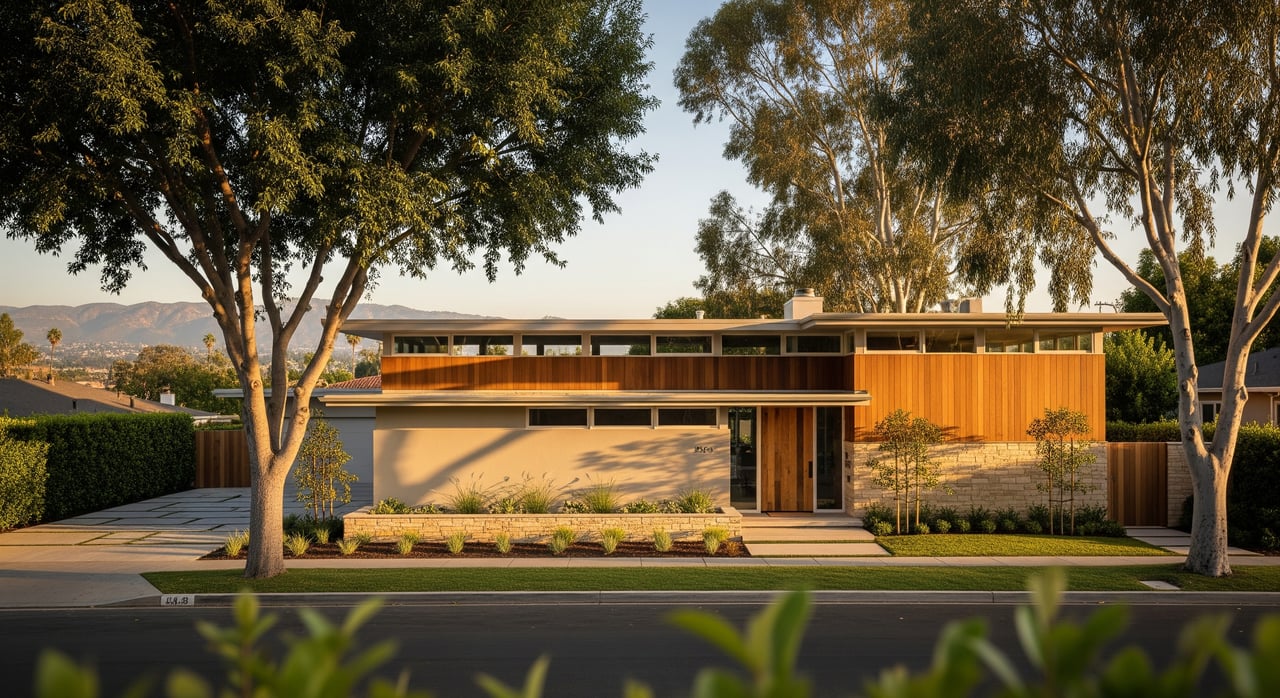
Two Encino homes a block apart can sell for very different prices. If you have ever wondered why, the answer usually comes down to three things buyers feel immediately: view, lot utility, and finish. South of Ventura Boulevard, those factors shift fast from street to street. In this guide, you will learn how to classify your micro-market, pull the right comps, and position your listing to spark strong offers. Let’s dive in.
South of the Blvd, defined
South of the Blvd in Encino refers to the pocket of homes that sit south of Ventura Boulevard. You will find a mix of flat tract streets, sloped ridgelines with views, canyon edges, and larger estate lots. Prices tend to sit above much of the Valley due to usable lot sizes, hillside vistas in select pockets, and proximity to commuter routes and amenities.
For pricing, it helps to think in four practical sub-areas that buyers compare in their minds:
- Ridge or hillside view pockets: Sloped streets or foothill locations with valley, hillside, or sunset views.
- Estate or large-lot areas: Wider, deeper parcels with pool or ADU potential and more usable yard.
- Flat tract streets: Standard post-war and 1970s ranch homes on modest lots.
- Canyon or irregular lots: Narrow, sloped, or irregular parcels where usable yard is limited.
These categories map to the big three drivers of value: what you see, what you can use or build, and how the home feels today.
The three-factor framework
View
Views act like a permanent amenity and can place your home in a different pricing bracket. Treat them in three tiers: primary panoramic, secondary or partial, and no view. A primary view often behaves like its own sub-market. Consider whether future growth or development could block the view and how open yards affect privacy.
- Checklist to assess view:
- Where is the view most visible, and is it panoramic or filtered?
- Are there likely obstructions from trees or future builds?
- Do photos show the view from main living spaces and the yard at sunset?
For valuation practice, appraisers treat view as a marketable attribute. You can find general guidance in Appraisal Institute resources, but derive the actual premium from recent local sales.
Lot utility
Lot utility means usable flat area, width and depth, access, and what you can add. A smaller flat yard can be more valuable than a larger steep one if it fits a pool, outdoor living, or a permitted ADU. City zoning and hillside overlays shape what is feasible, so verify early.
- Checklist to assess utility:
- How much of the yard is flat and usable for entertaining or a pool?
- Lot width and access for expansions or garage upgrades.
- ADU feasibility under current rules and any recorded easements.
- Drainage or slope conditions that may limit use.
Review zoning and overlays with the City of Los Angeles Department of City Planning, and confirm permits or feasibility with LADBS. For ADU policy background, consult the California Department of Housing and Community Development. Parcel specifics live with the Los Angeles County Assessor.
Finish level
Finish and systems shift buyer willingness to pay because they affect the true cost to move in. Classify as luxury or turnkey, mid-grade move-in ready, cosmetic, or tear-down. Kitchens and primary baths carry outsized weight, followed by major systems like roof, HVAC, electrical, and plumbing. Verified permits reassure both buyers and lenders.
- Checklist to assess finish:
- Kitchen and primary bath design, materials, and functionality.
- Systems age and upgrades with permits on file.
- Outdoor living features, lighting, and landscape quality.
- Consistent quality across rooms versus partial updates.
Define your micro-market first
Start by placing your home into one of the four sub-areas: ridge view, estate lot, flat tract, or canyon or irregular. If you are crossing categories to find comps due to low inventory, document why and plan explicit adjustments. The aim is to compare like with like on view, utility, and finish before anything else.
Build a micro-comps set
Use recent, nearby sales that mirror your micro-market.
- Time window: Prioritize sales in the last 3 to 12 months. In fast markets, favor the most recent 3 to 6 months and include pendings to read momentum.
- Geography: For flat tracts, stay within 0.25 to 0.5 mile. For ridge or estate lots, expand within 1 mile if needed, but keep view and utility comparable.
- Physical match: Target homes at 80 to 120 percent of your square footage. Match bedroom count or adjust. Keep the lot utility profile consistent.
- Condition and finish: Match finish level when possible. If not, plan finish adjustments after size and room adjustments.
Apply adjustments in the right order
When you compare to each comp, use a consistent sequence:
- Time and market movement. Adjust for appreciation or decline between the comp sale date and your planned list date.
- Location. Confirm the same micro-market and apply a premium or discount if the comp sits in a different view or utility pocket.
- Lot utility. Adjust for usable yard, pool, ADU potential, or lot shape.
- Size and rooms. Use price per square foot or per-room increments for bedroom and bath differences.
- Condition and finish. Reflect renovated kitchens and baths, and permitted system upgrades.
- Other features. Parking, exposure, access, easements, guest suites, or unique elements.
Create a simple grid with each comp, the adjustments, and an adjusted price. Your target is a value range, not a single number.
Gauge magnitude without guessing
Avoid universal percentages. Instead, detect premiums from local pairs:
- View pairs: Compare two nearby sales where one has a clear panoramic view and the other does not, with similar size and finish. The gap helps reveal the view premium in that pocket.
- Utility pairs: Compare a home with a permitted ADU or pool to a similar one without. Translate the difference into a dollar adjustment.
- Finish bands: On the same street, note the per-square-foot band for turnkey sales versus cosmetic ones to guide finish adjustments.
You can reference appraisal methodology in Appraisal Institute guidance and cross-check broader market signals with NAR research and statistics and C.A.R. market data. Always come back to the most recent Encino sales when finalizing adjustments.
From range to list price
Reconcile your adjusted comps into three tiers: low, probable, and high. Validate each tier against active and pending listings to see where buyers are searching and writing offers. If you can support the top end with compelling evidence like panoramic view photos, a recent permitted remodel, or a legal ADU with income, you can price at the high band. If speed and multiple offers are the goal, consider a list that sits just inside a busy buyer search band to maximize traffic.
Position to attract multiple offers
- Calibrate the price band. Pricing slightly under a meaningful threshold can widen your audience if absorption trends support it. Revisit actives and pendings weekly.
- Maximize week-one exposure. Use professional photography, a floor plan, and clear lot photos that showcase view corridors and usable yard. If view drives value, capture twilight.
- Set showings and a review date. In low inventory conditions, a 7 to 10 day offer window can create urgency. Confirm any rules with your agent and align to your tolerance for timing.
- Lead with permitted features. Put ADUs, pools, major system upgrades, and seismic or structural improvements in the first lines of your listing.
- Balance terms and risk. Short, clear contingency windows can elevate the best offer, but weigh them against your risk tolerance.
Market-wide bidding intensity shifts with supply and rates. Use local signals like days on market and pending-to-active ratios, and track broader context through NAR research.
Data and verification checklist
- Zoning and overlays: Confirm with the City of Los Angeles Department of City Planning.
- Permits and records: Verify at LADBS.
- Parcel details: Lot dimensions and improvements via the Los Angeles County Assessor.
- ADU feasibility: Review statewide rules at California HCD and confirm site-specific feasibility with LADBS.
- Appraisal methodology: Consult the Appraisal Institute.
- Market trends: Cross-check with C.A.R. market data and NAR research.
Avoid common mistakes
- Comparing ridge-view homes to flat tracts without a clear, defensible view adjustment.
- Using lot size alone without measuring usable flat yard and access.
- Assuming partial updates equal turnkey pricing when systems remain dated or unpermitted.
- Skipping permit verification for ADUs, pools, or additions.
- Overpricing because of a single outlier sale rather than a consistent set of comps.
Bring construction and marketing together
South of the Blvd pricing rewards properties that solve both the value story and the presentation. You win when you prove the view, the yard’s utility, and the quality of finish, then market those strengths with precision. If you want help validating feasibility, scoping finish-to-market upgrades, or crafting a cinematic launch that highlights what buyers value, we can help.
Ready to price your Encino home with confidence? Schedule a discreet consultation with RANGE REAL ESTATE to build a micro-comps strategy and a market-ready presentation that attracts premium offers.
FAQs
How do Encino view homes price versus non-view homes south of Ventura?
- Compare recent sales on the same or neighboring streets to find view and no-view pairs, then use the price gap as the view premium for that micro-pocket rather than applying a universal percentage.
How can I tell if my lot is truly usable in the Encino hills?
- Measure flat yard area, check access and width for a pool or ADU, and verify constraints or overlays with City Planning and LADBS before counting that utility into price.
Which renovations return the most value south of the Blvd?
- Focus on kitchens, primary baths, and fully permitted system upgrades, and present cohesive outdoor living; turnkey packages often trade in a higher per-square-foot band than cosmetic updates.
Should I list under market to spark multiple offers in Encino?
- It depends on inventory and active-to-pending ratios; price just inside a busy search band only if local comps and absorption support strong first-week traffic and a clear review date.
How do ADUs affect value and appraisal south of Ventura?
- Permitted ADUs add value through comparable sales that include ADUs or by capitalizing market rent; confirm legality and permits at LADBS to avoid discounting for unpermitted work.
How do appraisers treat irregular hillside lots in Encino?
- They adjust after confirming micro-market, prioritizing usable yard and access over raw lot size, then reconcile with paired sales to support lot utility adjustments and final value range.