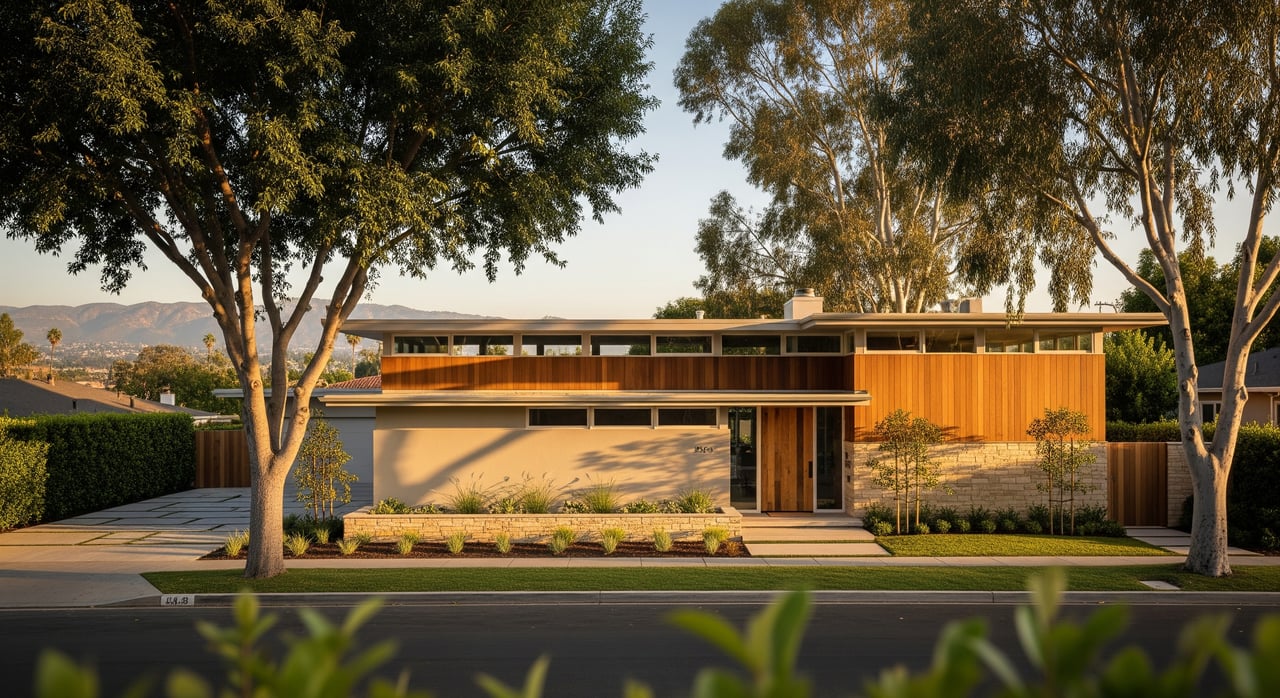
Remodeling a Malibu beach house can feel like solving a puzzle while the tide is coming in. You want to elevate the architecture, open the views, and protect long-term value, yet permits and shoreline rules set the true limits. The good news: with the right plan, you can align design, timing, and budget with what the City and the Coastal Commission will actually approve. In this guide, you’ll learn the approval basics, what controls scope on bluff and beachfront lots, how timelines really play out, and how permits influence resale and financing. Let’s dive in.
Malibu permit basics
Who approves coastal projects
All of Malibu lies inside California’s coastal zone, and the City operates under a certified Local Coastal Program. In practice, that means the City handles most Coastal Development Permits, with California Coastal Commission oversight in certain appealable areas. You should start every project understanding this framework and where your property sits within it. For context, see the City’s overview of its Local Coastal Program.
When a CDP is triggered
Under state law, development between the sea and the first public road parallel to the sea, work on tidelands, within 100 feet of wetlands, or within 300 feet of the top of a coastal bluff typically requires a Coastal Development Permit. Many Malibu remodels that add footprint, move walls seaward, or touch bluff-top conditions will need one. You can review the statutory triggers in California’s Public Resources Code Section 30601.
Appeals in brief
If your project sits in an appealable area, a City decision can be appealed to the Coastal Commission. The Commission first screens for a substantial issue, and if it moves forward, considers the project de novo. Appeals can pause local approvals, so treat this as a real schedule factor and plan your milestones accordingly.
What controls approval in Malibu
Bluff setbacks and geotechnical controls
Bluff-top homes face strict setback rules intended to ensure stability for a projected 100-year economic life. Malibu’s Local Implementation Plan sets a framework that often functions as a 100-foot minimum setback, with potential reduction to 50 feet only in narrow cases supported by site-specific geotechnical evidence. The LIP also prohibits permanent structures on bluff faces, with only limited exceptions. You can read the relevant setback and shoreline standards in the Malibu LIP Chapter 10.
For bluff or steep-slope remodels, the City requires stamped engineering geology and geotechnical reports that meet detailed content standards. Expect field exploration, slope stability modeling, erosion and retreat-rate analysis, and explicit lifetime allowances that consider sea level rise. The City’s requirements are outlined in its Geotechnical Guidelines. If those studies show inadequate safety factors or retreat buffers, the City will require changes, which may include shifting elements landward or limiting seaward expansions.
Shoreline protection limits and sea level rise
Shoreline armoring such as seawalls, revetments, or bulkheads is tightly constrained. Policy generally allows armoring only to protect an existing principal structure, and only when it is the least environmentally damaging feasible alternative located as far landward as possible. This is one reason design solutions that reduce risk without new hard armoring tend to fare better in review. The City’s shoreline and bluff standards appear in LIP Chapter 10.
Reviewers also apply the California Coastal Commission’s updated Sea Level Rise Policy Guidance. It encourages landward siting, adaptive design, and nature-based approaches where feasible, and it discourages new reliance on hard armoring. Planning with these expectations in mind can save months. See the Commission’s Sea Level Rise Policy Guidance.
Septic and sewer realities
In Malibu, a new or replacement on-site wastewater system typically requires a CDP, followed by Environmental Health and multi-agency plan checks. Septic feasibility can control where you place improvements or whether a remodel is possible at all, especially on bluff parcels where leach fields and setbacks interact. Start by reviewing the City’s process for installing a new system and confirm whether your property sits in any area with sewer requirements or prohibitions that affect options and timing.
Timelines you can plan on
A full CDP for projects that add more than 10 percent or relocate a structure typically runs about 12 to 18 months at the City level. Smaller, same-footprint repairs that qualify for Planning Verification pathways can move in roughly 3 to 6 months. These timeframes do not include appeals or extra technical studies. The City’s submittal page provides helpful context on process and timing for CDPs and related actions.
Geotechnical work adds time. Field reconnaissance, borings, lab testing, and modeling usually precede design, then the City reviews and may request revisions. Budget at least several weeks to a few months for robust studies and agency review. If a new or upgraded septic system is required, plan additional time after Planning approvals for Environmental Health and related plan checks.
Appeals can extend schedules by months. The Commission’s procedures include a quick screening followed by a hearing if necessary. If your site is within an appealable area, assume some contingency and align contracts, financing, and construction windows accordingly.
Common sources of delay include:
- Incomplete submittals, such as missing geotechnical or biological studies.
- Unforeseen site conditions, like perched groundwater or challenging soils.
- Interagency coordination for coastal engineering or environmental review.
- Appeals within the Commission’s jurisdiction.
Early pre-application meetings and a complete submittal reduce risk, which you can arrange through the City’s Planning Department.
How permits affect resale value
Sea level rise is increasingly priced into coastal markets. Peer-reviewed summaries show that exposure to future sea level rise and chronic flooding risks can reduce property values over time, though the magnitude varies by location and buyer expectations. Malibu buyers are sophisticated, and many will weigh risk signals like bluff setback limits and reliance on coastal armoring. For background on how markets respond to risk, review the Congressional Research Service’s summary of academic evidence.
Unpermitted work is another value drag. Appraisers may exclude unpermitted living area from gross square footage that lenders recognize, title can be complicated by mechanics’ liens, and insurers can challenge coverage where safety systems were altered without permits. California sellers must disclose known defects and unpermitted work in the Transfer Disclosure Statement, which often becomes a negotiation lever. A practical overview of disclosure issues appears in this seller disclosures summary.
Financing can hinge on permits. Many lenders will not underwrite if essential living area is unpermitted or if a property depends on shoreline protection that lacks a clear long-term permit path. Buyers who plan to use financing should insist on a permit history and either completed retro-permits or written evidence that the project is approvable under the LCP. The City’s Planning Department can help you obtain existing records.
Your Malibu due diligence checklist
Start these steps before you design finishes or frame a construction budget:
- Permit and title screen. Ask the seller for permit records, run a public permit search in the City’s Development Portal, and ask Planning whether any CDPs or enforcement notices are on file. Use the City’s Planning Department as your first stop.
- Appeal status. Confirm whether the parcel is in a Coastal Commission appealable area and include potential appeal time in your schedule.
- Geotechnical feasibility. Retain a Malibu-experienced coastal geotechnical engineer for a feasibility reconnaissance to review bluff edge, soils, historical aerials, and prior reports. The City’s Geotechnical Guidelines outline minimum report content.
- Septic or sewer. Check with City Environmental Health about on-site wastewater operating permits and whether a new or replacement system will require a CDP. Start with the City’s OWTS guidance.
- Survey and topography. Obtain a current boundary and topo survey showing bluff edge, mean high tide line, easements, and any shoreline protection or public access encumbrances.
- As-builts and CDP files. Pull existing CDP and building-permit records from the City. If you find unpermitted work, budget time and funds for corrections or retroactive permits. At this time it is also a good time to engage a local Malibu builder experienced with Malibu planning such as Racing Green who build a lot in the area.
- Biological screening. For beachfront or dune parcels, get a biological reconnaissance to identify any sensitive habitat that could change design or add mitigation.
- Pre-application meeting. Schedule a meeting with the City planner, City geologist, and coastal engineering staff to confirm the expected submittal package and discuss scope.
- Budget for contingencies. Set aside time and funds for additional studies, mitigation conditions, and potential appeal-related work. The City’s CDP process page helps illustrate planning fees and documentation.
- Contracts and disclosures. Build permit and entitlement contingencies into your purchase agreement, and require full seller disclosures and records during escrow.
Design strategies that get to yes
- Prioritize landward solutions. Reducing seaward exposure and keeping improvements within or behind existing building envelopes aligns with the LIP’s hazard policies. The City’s shoreline and bluff standards are detailed in LIP Chapter 10.
- Minimize new seaward footprint. Limit impermeable coverage near the bluff, place drainage and OWTS components as far landward as feasible, and keep access elements like stairs removable or relocatable.
- Use design-level geotechnical input early. If a 100-year life cannot be certified without stabilization, be prepared to scale back seaward additions or face a rigorous protective-device alternatives analysis.
- Consider adaptive options. Staged designs, nature-based elements where permitted, and foundations that allow future modification fit well with the Commission’s Sea Level Rise Guidance.
Work with a team built for Malibu
You unlock value when your design, permit path, and market strategy move in step. Range combines builder-developer expertise with hands-on project management and cinematic, market-forward presentation to help you make smart scope decisions, manage timelines, and bring a finished product to market with confidence. From pre-application planning and consultant coordination to finish-to-market execution and targeted launch, you get a boutique partner focused on outcomes and discretion.
If you are weighing a remodel, a sale with permits in hand, or a finish-to-market strategy, let’s map the path that aligns approvals, budget, and value. Schedule a discreet consultation with Range
FAQs
Do you need a Coastal Development Permit to remodel a Malibu beach house?
- If you add footprint, relocate structures, or work near the beach, bluff, wetlands, or tide-influenced areas, a CDP is typically required under state triggers and the City’s certified program.
How long does a Malibu CDP usually take?
- Plan for about 12 to 18 months for full CDP review at the City, plus extra time for appeals or added technical studies, with smaller same-footprint repairs moving faster.
Can you add square footage toward the ocean on a bluff lot?
- Often not without significant constraints, since LIP Chapter 10 imposes bluff setbacks aimed at a 100-year life and prohibits permanent structures on bluff faces.
Will a seawall make approval easier for my remodel?
- Not usually, since shoreline armoring is allowed only in limited cases and is reviewed against strict least-damaging-alternative tests, with policy favoring landward and adaptive solutions.
Do you need a permit to replace a septic system in Malibu?
- Yes, new or replacement on-site wastewater systems require a CDP followed by Environmental Health and multi-agency plan checks.
How do unpermitted additions affect resale and financing?
- Lenders may exclude unpermitted living area, insurers can scrutinize coverage, and California sellers must disclose known unpermitted work, which can reduce proceeds or slow escrow.