If you picture Malibu, you might see a glassy horizon, surfers in the lineup, and the glow of canyon hills behind it all. The truth is, there are two very different day-to-day rhythms here: oceanfront and canyon. If you are deciding between them, you want to know how each actually feels and what it takes to own successfully in either setting. In this guide, you will learn how microclimate, access, privacy, hazards, and permits shape each lifestyle, plus the smart questions to ask before you buy. Let’s dive in.
Oceanfront Malibu: daily rhythm
Microclimate and light
Mornings often start with a cool marine layer, the classic “May Gray” and “June Gloom.” You sip coffee behind a gentle sheet of fog that usually clears by midday. Afternoons open into bright blue water and salty air. This cycle is normal along the coast and shapes daily outdoor time and materials choices for decks and railings, which see more moisture and salt exposure. For context on coastal patterns, see the marine-layer research from UC San Diego’s climate center.
Access and errands
Your main street is the Pacific Coast Highway. It is beautiful and places shops, cafés, and the pier within quick reach. It can also be congested and, at times, impacted by storm cleanup or post-fire debris work. When significant weather events occur, sections of PCH may face temporary closures for safety and maintenance, as seen in past Caltrans updates on coastal closure work in burn areas.
Privacy and public access
Direct beach access is a signature draw. It also brings more foot traffic near popular stretches, plus ongoing attention to public-access rules. The California Coastal Act prioritizes public access and careful shoreline management. If you plan any bluff or beachfront changes, expect clear permitting steps and public-access considerations, summarized in the Coastal Commission’s ReCAP overview.
Architecture and lot types
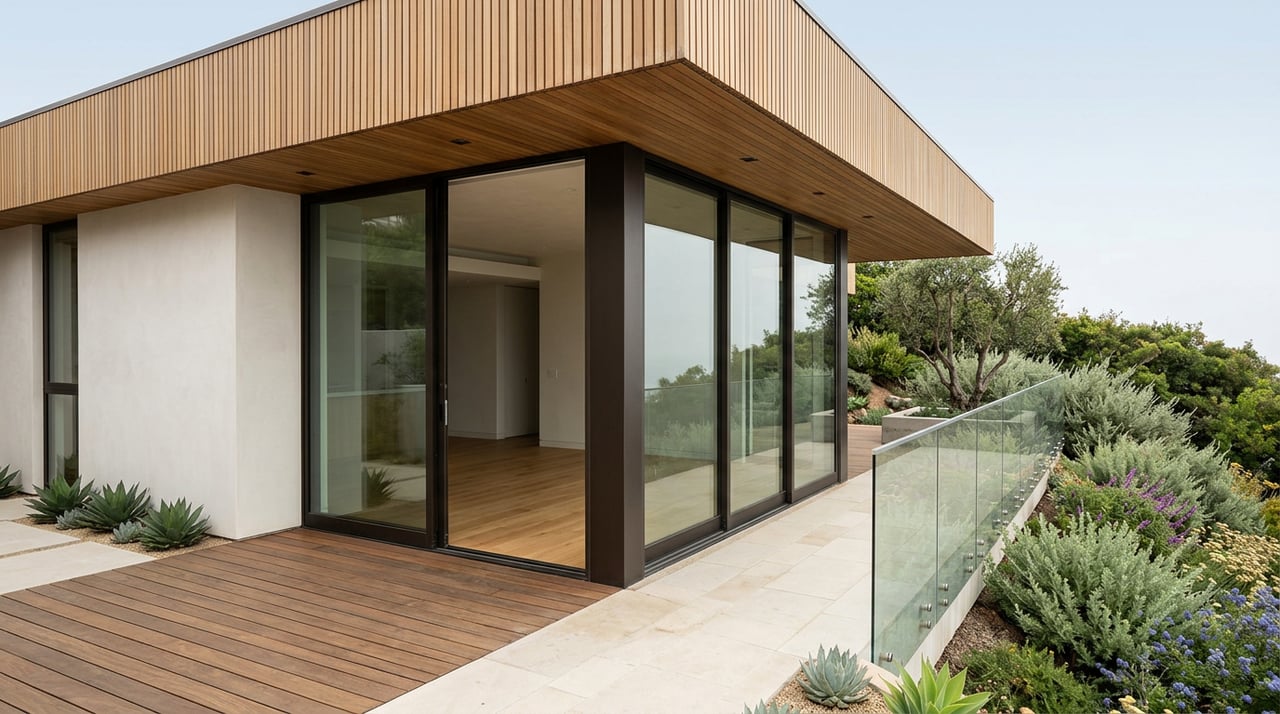
You see modern glass-and-steel beach houses, mid-century bungalows, and contemporary rebuilds that frame horizontal ocean views. Many lots are at low elevation, directly on the sand or just above it on a bluff. Design tends to emphasize indoor-outdoor flow and broad decks that look straight to the horizon.
Outdoor life
Your days center on the water: surfing, stand-up paddling, beach walks, and quick trips to oceanfront cafés and the pier. Local landmarks and campus life add a steady cultural pulse by the shore, as outlined in Malibu’s city profile.
Canyon and hillside Malibu: daily rhythm
Microclimate and light
Canyons warm up faster as the marine layer burns off earlier inland. Expect more direct sun, bigger temperature swings between day and night, and faster drying after rain. If you enjoy garden projects, pool days with more heat, or sun-drenched patios, the canyons lean your way. The inland pattern stands in contrast to the coast’s cooler, foggier mornings documented in coastal microclimate research.
Access and commuting
Canyon roads like Malibu Canyon, Kanan Dume, and Latigo connect you to US 101 and the Valley. These routes are scenic, winding, and at times narrow. They typically offer quicker freeway access than PCH if your work life points inland. That said, both canyon roads and the coast can see temporary closures during emergencies or storms, a reality noted in regional overviews like Malibu’s city page.
Privacy and space
Canyons feel tucked away and woodland-adjacent. Yards are often larger, with room for gardens, detached studios, or equestrian use where zoning allows. Tree cover and topography reduce foot traffic and line-of-sight from the street. Many buyers choose canyons for this sense of seclusion.
Architecture and lot types
Expect variety. You will find ranch and Spanish/Mediterranean styles, timber cottages, and newer architectural homes that step with the slope. Many hillside properties use retaining structures and multi-level footprints to work with terrain, and some have been rebuilt after past fires.
Outdoor life
Trailheads and parks are close. Solstice Canyon, Zuma Ridge, Malibu Creek State Park, and the Backbone Trail system shape a hiking and trail-running lifestyle. For a taste of canyon-head recreation, explore the National Park Service overview of Solstice Canyon.
Hazards, permits, and insurance to plan for
Wildfire exposure
Wildfire is a shared regional reality. Wind-driven events, including the Woolsey Fire, moved through canyons to the coast and destroyed many homes. Before buying, review fire-history, evacuation patterns, and defensible-space compliance. Local media coverage of Woolsey’s impact provides context on the event’s scale and lessons learned, such as this summary in the Malibu Times. To understand mitigation best practices and hazard maps, consult the state’s wildfire preparedness clearinghouse.
Coastal hazards and permitting
Beachfront and bluff-front parcels require careful planning. Seawalls, revetments, staircases, and bluff work are subject to Coastal Act policies that manage erosion, sand supply, and public access. Many projects require technical reports and may favor setback and site adaptation over new armoring. The Coastal Commission’s ReCAP gives a clear overview in the executive summary, and its detailed chapter on coastal hazards outlines items like bluff setbacks and shoreline structures in Chapter 3. If you are evaluating a specific property, ask for recorded easements, any permitted seawall or staircase, and how the top-of-bluff and mean high-tide line are documented.
Insurance and rebuilding
Insurance availability and pricing are changing statewide. Recent reforms allow forward-looking catastrophe models and have adjusted California FAIR Plan usage, but premiums and options still vary property by property in high-risk zones. Get insurer pre-checks early and confirm renewals or transfers before you open escrow. For the latest policy context, start with the California Department of Insurance’s 2024 guidance. If you are considering a rebuild or major renovation, review local “like-for-like” rules and required reports for slope stability or wave action at the City’s Malibu Rebuilds guidance.
Oceanfront vs canyon at a glance
Oceanfront highlights
- Beach rhythm: cooler, foggier mornings that clear by midday; afternoons by the water.
- Access: quick to cafés and the pier along PCH, with congestion and occasional storm impacts.
- Vibe: active shoreline, more public presence near popular beaches.
- Ownership notes: salt corrosion on finishes and hardware, Coastal Act awareness, and CDP needs.
Canyon highlights
- Sun and space: earlier burn-off, warmer afternoons, larger yards.
- Access: winding canyon roads with more direct 101 access in many cases.
- Vibe: private, wooded feel with room for gardens or equestrian uses where allowed.
- Ownership notes: wildfire preparedness, slope stability, and insurance planning.
Smart questions to ask before you buy
Fire and slope
- Which fire-hazard zone is the parcel in, and what is the property’s recent fire-history?
- Is there a current geotechnical or slope-stability report? Review defensible-space status.
- See guidance and data sources at the state’s wildfire preparedness clearinghouse.
Beachfront specifics
- Is the lot bluff-front or sand-front?
- Are there recorded public access easements near the property?
- Has a seawall or staircase been permitted, and what are the applicable setback records?
- Review the Coastal Commission’s coastal hazards chapter for context before you engage consultants.
Insurance and rebuilds
- Who insures the home today, and is it on the FAIR Plan?
- Are there renewal or transfer constraints you should know about?
- Read the Department of Insurance’s market update, and if you plan construction, check the City’s rebuild guidance.
Commute and access
- How often do local routes close for weather or post-fire cleanup, and what are realistic drive times for your routine?
- Caltrans posts updates for coastal recovery work and closures like those noted in District 7 news.
Which Malibu fits you?
If you want daily ocean proximity and a front-row seat to the Pacific, oceanfront Malibu delivers a signature, social shoreline lifestyle. If you want sunlight, privacy, and a stronger connection to trail systems and nature, the canyons often win. Many buyers love both and choose based on where they spend most of their time.
If you are weighing these trade-offs, it helps to partner with a team that treats hazards, permits, and construction as normal parts of ownership. That is where we are strongest. Our builder-developer background means we can pressure-test a site’s risks and opportunities while curating the lifestyle you want. Ready to talk through a specific property or plan? Schedule a discreet consultation with RANGE REAL ESTATE.
Trusted resources for deeper research
- Coastal Commission overview of policies and processes: ReCAP executive summary
- Coastal hazards, armoring, and setbacks: ReCAP Chapter 3
- Wildfire mitigation and hazard maps: State clearinghouse
- Insurance market context and FAIR Plan updates: California Department of Insurance
- City permitting for fire-affected parcels: Malibu Rebuilds guidance
- Canyon-head hiking and recreation: NPS Solstice Canyon
- City profile and coastline overview: Malibu on Wikipedia
FAQs
What is the biggest lifestyle difference between Malibu oceanfront and canyon?
- Oceanfront centers on beach rhythm and salt air with more public activity nearby, while canyons feel warmer, more private, and closer to trail systems and larger yards.
How does the marine layer affect oceanfront homes in Malibu?
- Expect cooler, foggier mornings that typically clear by midday, plus higher moisture and salt exposure that influence deck, hardware, and exterior material choices.
What should Malibu beachfront buyers know about permits and public access?
- Beachfront and bluff-front work often needs Coastal Development Permits, and public access is a core policy; verify easements, setbacks, and any seawall or staircase permits in records.
How do wildfire and insurance shape canyon purchases in Malibu?
- Canyon areas sit closer to wildland and can see higher wildfire exposure; confirm hazard maps, defensible space, and insurance availability early, including any FAIR Plan reliance.
Which roads link Malibu’s canyons to the 101, and do closures occur?
- Malibu Canyon, Kanan Dume, and Latigo connect inland to US 101; they are scenic and winding and can face temporary closures during storms or emergencies like other regional routes.
What maintenance issues are common in oceanfront homes?
- Salt and moisture can accelerate corrosion on metals and finishes; plan for proactive exterior maintenance and materials that handle coastal conditions well.