If you launch a Malibu new-construction home too early, the market may treat it like stale inventory before it is truly ready. In a slower market, that timing mistake can affect both leverage and final price. If you are selling before completion, you need a launch plan that matches Malibu’s permitting reality, your actual construction schedule, and what buyers can honestly understand from the first showing. Let’s dive in.
Why launch timing matters in Malibu
Malibu is not moving at a pace that forgives a premature public debut. In March 2026, Redfin reported a median sale price of $4.8195M, down 13.2% year over year, with a median of 175 days on market and an average sale-to-list ratio of 90.6%. Redfin also described Malibu as a market where multiple offers are rare and homes sell for about 9% below list on average.
That backdrop matters for pre-completion marketing. If your listing goes live before the finish level, approvals, or delivery timeline feel credible, buyers may watch rather than act. Once a listing sits, it can become harder to defend the price narrative later.
Malibu micro-markets move differently
A citywide Malibu number only tells part of the story. Redfin neighborhood data shows that in March 2026, Central Malibu had a median sale price of $3.56M, down 25.8% year over year, while Point Dume was at $4.7M, up 14.9% year over year.
That means your launch strategy should be calibrated to the property’s specific micro-market, not just the Malibu label. A soft launch, pricing posture, and public release date that make sense in one submarket may not be the right move in another.
Build the launch around approvals
In Malibu, a home can look close to done and still not be ready for full market exposure. The City of Malibu Planning Division notes that applicants should review Title 17 and the Local Coastal Program early, use the Development Portal, and complete Planning approval before moving into later Building Safety steps.
The city also explains that review timelines can depend on project size, geology, conformance with the Local Coastal Program or Malibu Municipal Code, ESHA, appealable-area status, wastewater capacity, and view impacts. After submittal, applicants typically receive a letter about additional information within 30 days, and courtesy notices are typically mailed within 4 to 6 weeks. Those layers are a key reason a visible construction milestone does not always equal a market-ready milestone.
Final inspection matters more than appearance
Malibu states that permitted construction projects require inspections, and that a Certificate of Occupancy is issued after passing final inspection. The city’s rebuilding and permit guidance and final sign-off checklist show that multiple departments may need to sign off before CO issuance, including Planning, Landscape, Public Works, Wastewater, and Building Safety.
For sellers and developers, this is the practical line to remember: physical near-completion is not the same as occupancy readiness. Your marketing timeline should reflect permit and inspection status, not just how polished the house looks on site.
Use the Development Portal as your source of truth
Before any soft launch, verify what is actually approved and what remains open. Malibu’s Permit Search resources point users to city records, while the Development Portal provides real-time status updates, document management, fee tracking, and inspection requests.
That makes the portal the most useful internal checkpoint for launch planning. If the status changes, your public narrative should change with it.
When to start photography
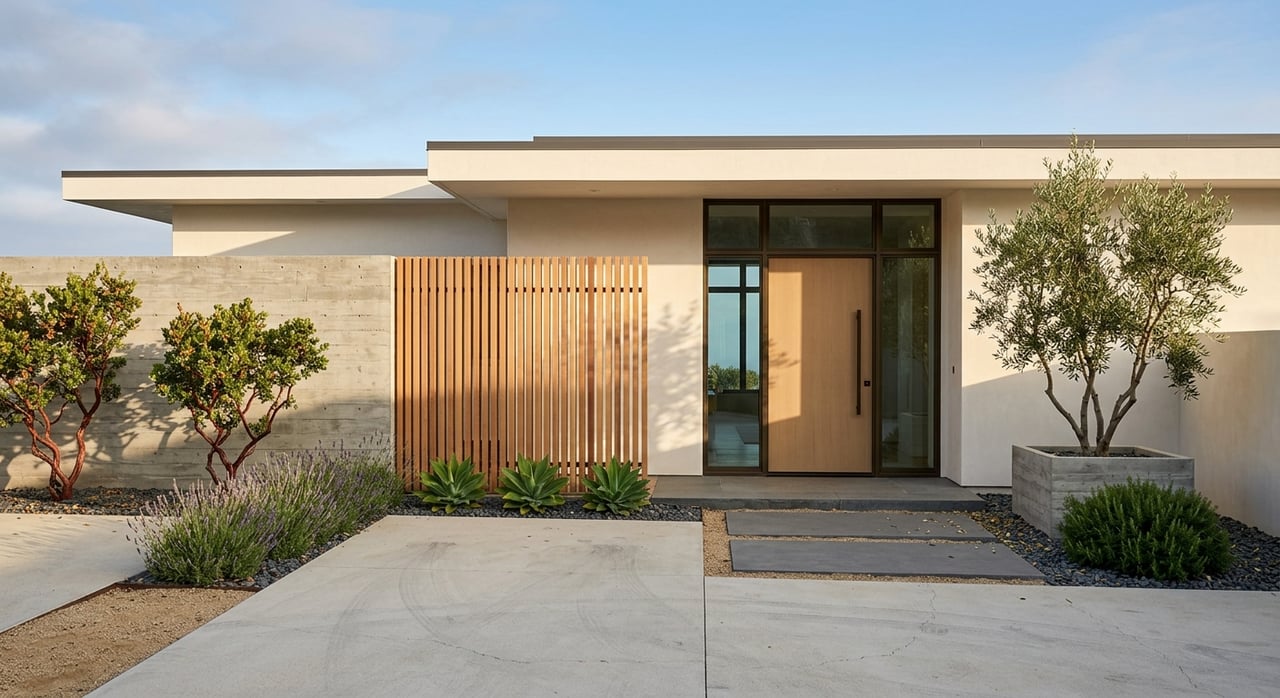
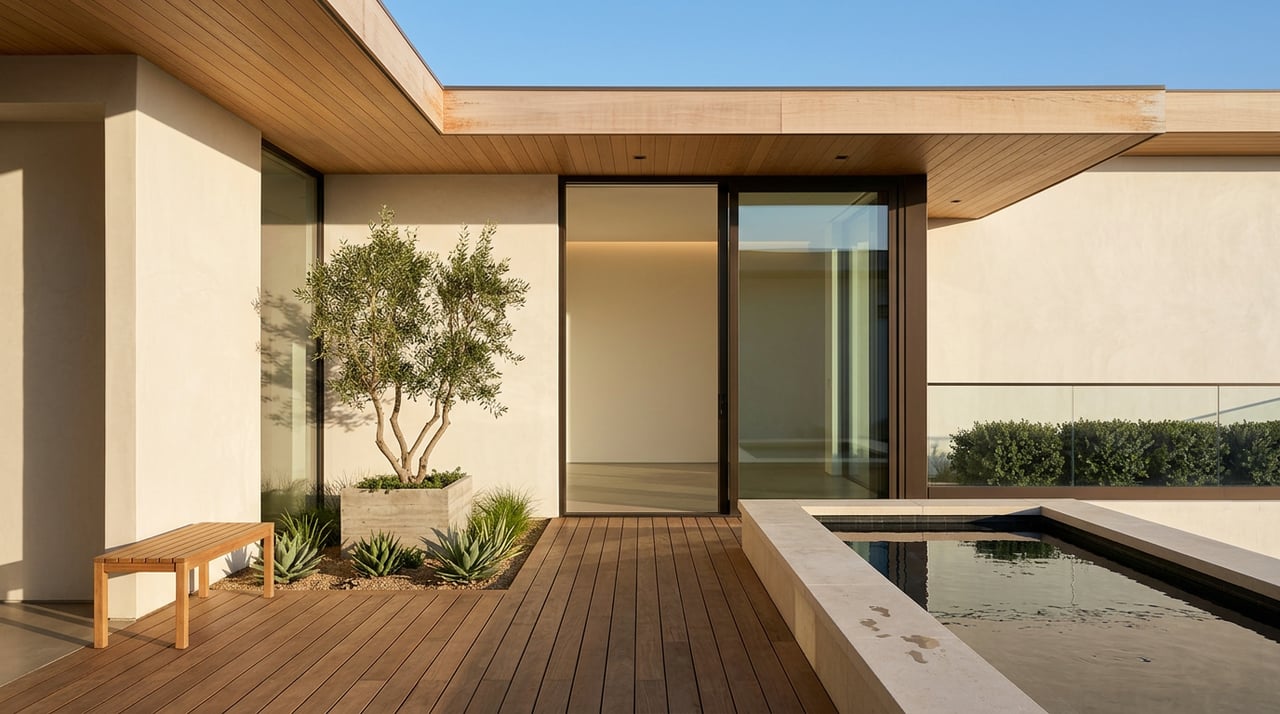
The safest answer is simple: start photography when the home reads close to its final condition in the spaces that matter most to a buyer’s first impression. In Malibu, that usually means the primary living areas, kitchen, main exterior approach, view-facing rooms, and major outdoor entertaining zones should look substantially as delivered.
If those spaces are still visibly in flux, broad public marketing can work against you. In a slower market, buyers may anchor to what feels incomplete rather than what will eventually be delivered.
What should be complete first
Before commissioning final photography or hero video, it helps if these items are largely in place:
- Exterior finishes that define the design
- Primary interior finishes that establish the home’s material palette
- Major glazing and view-facing openings
- Core lighting that affects the feel of the rooms
- Key hardscape elements that shape arrival and outdoor flow
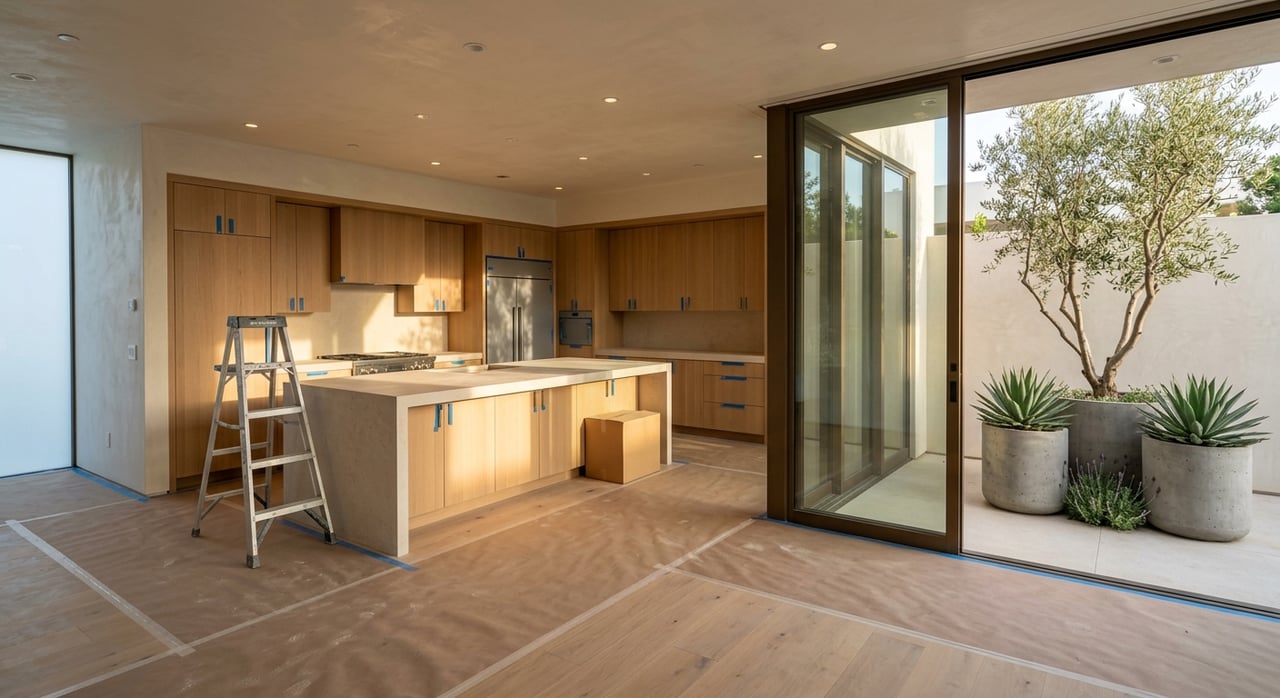
If landscaping, pool work, or secondary rooms are still in progress, you can still market the property, but the presentation needs to be tightly controlled. The goal is to show what is real today and separate it clearly from what is still underway.
Soft launch before MLS
For many Malibu new-construction listings, a soft launch makes sense before a full MLS release. That approach is especially useful when the design story is strong, major rooms are photo-ready, and the completion path is credible, but a few final items still need time.
A soft launch can include private previews, controlled broker outreach, or curated video-first exposure to a targeted audience. This gives you a way to test pricing, gather buyer feedback, and create interest without starting the public days-on-market clock too early.
When a soft launch makes sense
A controlled pre-launch is often the better option when:
- Permit and inspection status is progressing, but not fully closed
- The home is visually compelling in finished areas
- The remaining work is limited and easy to explain
- The completion timeline is credible but not guaranteed to the day
- You want to reach specific buyers before going fully public
This is where a construction-literate marketing team adds real value. You are not just selling a vision. You are managing risk, expectations, and timing at the same time.
When to move to MLS
A full MLS launch is usually stronger when the home’s finish level and delivery story are clear to outside buyers. That does not always require every last detail to be complete, but it does require confidence that the public presentation matches reality.
If the final landscaping, pool work, or punch list could materially change buyer perception, waiting can protect the listing from aging too quickly. In Malibu’s current market, accuracy often protects price better than speed alone.
Gate price increases to milestones
If you plan to raise pricing during construction, tie those increases to visible and verifiable milestones. Buyers respond better when price movement tracks real progress rather than arbitrary dates.
Useful pricing gates may include:
- Completion of major exterior design elements
- Delivery of primary interior finish packages
- Final installation of key glazing and doors
- Completion of major outdoor living features
- Final inspection progress or CO readiness
This approach strengthens your story because each increase has a reason buyers can understand. It also helps you avoid defending a premium price while key elements still feel unresolved.
Show unfinished areas honestly
If parts of the property are still in progress, your marketing should make that clear without weakening the overall narrative. The strongest strategy is to present finished spaces with high-quality as-built photography and use clearly labeled conceptual material only where needed.
That matters even more now because California rules are stricter about image accuracy.
Follow California image rules carefully
The California DRE states that all real estate advertising must be truthful, accurate, and not misleading, whether created by a human or with AI. The DRE also says that as of January 1, 2026, digitally altered images in real estate advertising require clear disclosure plus access to the original unaltered image.
California law defines digitally altered images broadly enough to include changes to fixtures, furniture, appliances, flooring, walls, paint color, hardscape, landscape, facade, floor plans, and even visible elements beyond the property. The statute excludes routine edits like lighting correction, cropping, or exposure adjustments that do not change the property’s representation.
Best practices for renderings and virtual staging
If you use renderings, virtual staging, or AI-enhanced visuals, keep the presentation clean and explicit:
- Label conceptual imagery clearly
- Differentiate as-built photos from altered images
- Avoid showing finished landscaping or views that are not yet delivered
- Make sure pricing, features, and availability match current reality
- Remove or update assets when the project changes
Curated tours and video can be especially effective in Malibu because they let you separate complete spaces from incomplete ones. A guided presentation can show buyers exactly what is done, what is pending, and what the final design intent is without blurring those lines.
Communicate delays without losing leverage
Delays are not always the problem. Confusion is. Buyers can often work with a moving completion timeline if the communication stays specific, current, and consistent.
The better approach is to answer the questions buyers are already asking: What is complete now? What remains on the punch list? Which finishes are fixed? Which approvals are in hand? When is CO expected? Which images are conceptual? Clear answers build trust and help preserve the price position.
Keep the story current
In a slower Malibu market, stale marketing can hurt a listing fast. The DRE also warns that long-running ads can become stale when terms or conditions change, which is especially relevant for homes marketed during construction.
To protect the price narrative, update the public story as the project evolves:
- Refresh timelines when schedules shift
- Replace outdated imagery
- Keep approval and inspection status current
- Save backup for any changes in claims or visuals
- Make sure every public statement matches the latest project reality
This is one of the biggest advantages of an integrated team. When construction knowledge and marketing strategy live together, it becomes easier to keep the sales story accurate without losing momentum.
A practical Malibu launch sequence
If you are marketing Malibu new construction before completion, a disciplined sequence usually works best:
- Verify permit, inspection, and approval status.
- Confirm which spaces are genuinely photo-ready.
- Produce as-built imagery for finished areas.
- Label any conceptual visuals clearly and use them sparingly.
- Run a soft launch or private preview if timing is not yet right for MLS.
- Move to full public release when the finish level and delivery timeline are credible.
- Update pricing and marketing as milestones are achieved.
This approach fits both Malibu’s approval process and today’s market conditions. It also gives buyers a cleaner experience, which often supports better pricing and fewer trust issues late in the deal.
Selling a Malibu home before completion is not just about creating excitement. It is about matching architectural storytelling with technical accuracy, milestone-based timing, and disciplined communication. If you want a launch strategy that reflects both the design value and the construction reality of your project, RANGE REAL ESTATE can help you build a smarter path to market.
FAQs
When should a Malibu new-construction home be photographed before completion?
- A Malibu home is usually best photographed once the primary living spaces, key exterior angles, and major design-defining finishes look close to their delivered condition.
When does a soft launch make more sense than an MLS launch for Malibu new construction?
- A soft launch often makes more sense when the home shows well in finished areas but approvals, final inspections, or a few visible completion items are still in progress.
What Malibu construction milestones should guide pricing changes?
- Price changes are easier to justify when tied to real progress such as major exterior completion, primary finish installation, outdoor living delivery, and final inspection or CO progress.
How should unfinished landscaping or pool work be shown in Malibu listing marketing?
- Finished areas should be shown as built, while any conceptual landscaping or pool visuals should be clearly labeled and kept separate from current-condition photography.
What do California rules require for digitally altered real estate images?
- California requires digitally altered real estate images to be clearly disclosed, and the advertising must remain truthful, accurate, and supported by access to the original unaltered image when required.
How should Malibu sellers explain delays during a pre-completion marketing campaign?
- Malibu sellers should communicate what is complete, what remains pending, which approvals are in hand, and how the updated timeline affects occupancy without overstating certainty.